
Dr Mark Dailey
Blog for Your Health
Peripheral Neuropathy Treatment Secrets Revealed: What Experts Don't Want You to Know About Laser Therapy for Pain
![[HERO] Peripheral Neuropathy Treatment Secrets Revealed: What Experts Don't Want You to Know About Laser Therapy for Pain](https://cdn.marblism.com/ZX1oyChkz1i.webp)
If you’re reading this, there’s a good chance your feet feel like they’re perpetually walking on a bed of hot coals, or perhaps they’ve gone completely AWOL, replaced by a dull, buzzing numbness that makes balancing feel like a high-wire act. Welcome to the world of peripheral neuropathy: a condition that affects millions but is often handled by the traditional medical establishment with a shrug and a prescription for a pill that makes you feel like a zombie.
I’m Dr. Mark Dailey, and at Oneonta Spine & Laser, we like to do things a little differently. We’re not big fans of the "just live with it" approach. Today, I’m pulling back the curtain on why your current treatment might be failing and revealing the "secret" that high-end clinics use to actually move the needle on nerve pain: Class 4 Robotic Laser Therapy.
The Dirty Secret of Neuropathy "Management"
Let’s be real for a second. Most people diagnosed with neuropathy are told it’s progressive and irreversible. They are handed a script for Gabapentin or Lyrica and sent on their way. While those drugs can certainly dull the pain (and sometimes your personality), they don't actually fix anything. They’re essentially the medical equivalent of turning up the radio so you don’t hear the engine knocking in your car. Eventually, the engine is still going to blow.
The "secret" that many experts fail to mention: either because they don't have the technology or they’re stuck in 1995: is that nerves can heal if you give them the right environment. They just need a little help getting the internal machinery running again. That’s where the high-tech stuff comes in.
Enter the Robot: Class 4 Laser Therapy
You might have heard of "cold lasers" or low-level laser therapy (LLLT). They’ve been around for a while, and while they’re okay for minor issues, they’re often like bringing a squirt gun to a house fire when it comes to deep-seated nerve damage.
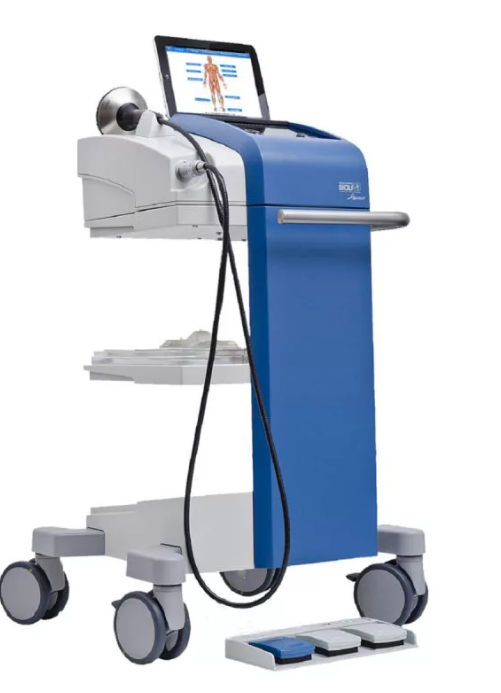
At Oneonta Spine & Laser, we use Class 4 Robotic Laser Therapy. This isn't your average pointer-finger laser. This is a high-power, precision-guided system designed to penetrate deep into the tissue to reach the nerves that are actually screaming for help.
How It Works (The "Magic" Without the Wand)
So, how does a beam of light fix a dying nerve? It’s a process called photobiomodulation. Try saying that three times fast after a glass of wine.
Essentially, the laser light travels through the skin and is absorbed by the mitochondria: the "powerhouses" of your cells. This absorption triggers a cascade of biological events:
- Increased ATP Production: It gives your cells a massive energy boost, allowing them to repair themselves faster.
- Improved Circulation: It opens up the tiny blood vessels (capillaries) that feed your nerves. Neuropathy is often a "starvation" issue: the nerves aren't getting enough oxygen or nutrients. The laser brings the buffet back to the nerve.
- Reduced Inflammation: It flushes out the inflammatory chemicals that keep you in a state of constant pain.
- Nerve Regeneration: Research shows that specific wavelengths of light can actually stimulate nerve conduction velocity and help regrow the protective myelin sheath around the nerve.
What the Research Actually Says (Spoiler: It’s Good)
I know what you’re thinking. "Dr. Dailey, this sounds too good to be true. Is this science or sci-fi?"
The clinical evidence is actually quite staggering. In one study focusing on Type 2 diabetes patients with peripheral neuropathy, patients saw their pain levels drop from a 6.47 down to a 1.21 on a 10-point scale after just 10 days of treatment. That is a life-changing difference. Another review of Class IV laser therapy reported an effectiveness rate of 90% in clinical trials with zero observed complications.
Imagine having a 90% chance of getting your life back without surgery or addictive medications. That’s why we’ve invested so heavily in this technology at our New Patient Center.
Why "Robotic" Matters
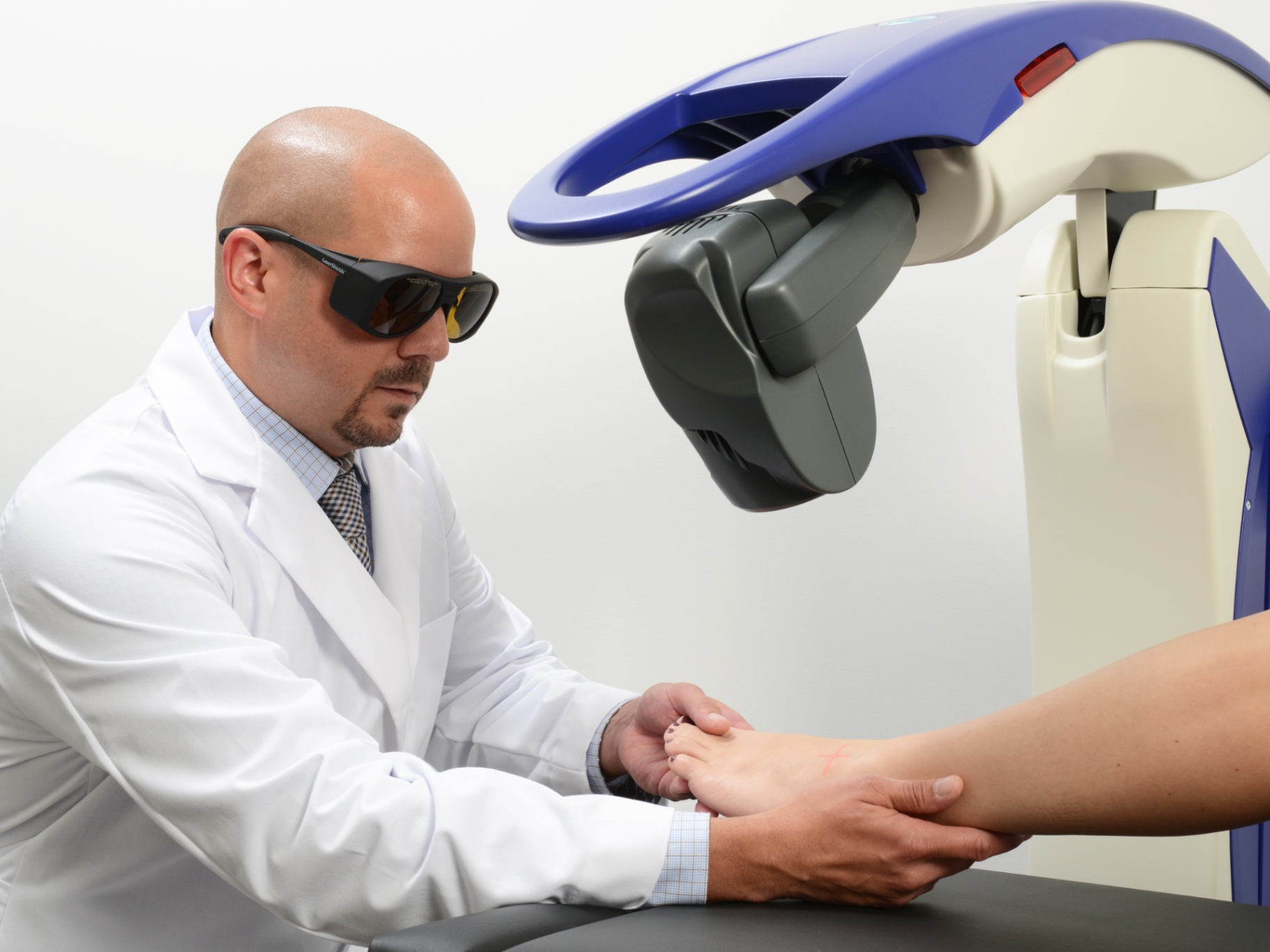
You’ll notice we call it Robotic Laser Therapy. Most Class 4 lasers are handheld. The doctor or technician waves it over your skin like they’re painting a wall. The problem? Human error. If they move too fast, the dose is too low. If they stay in one spot too long, it gets too hot.
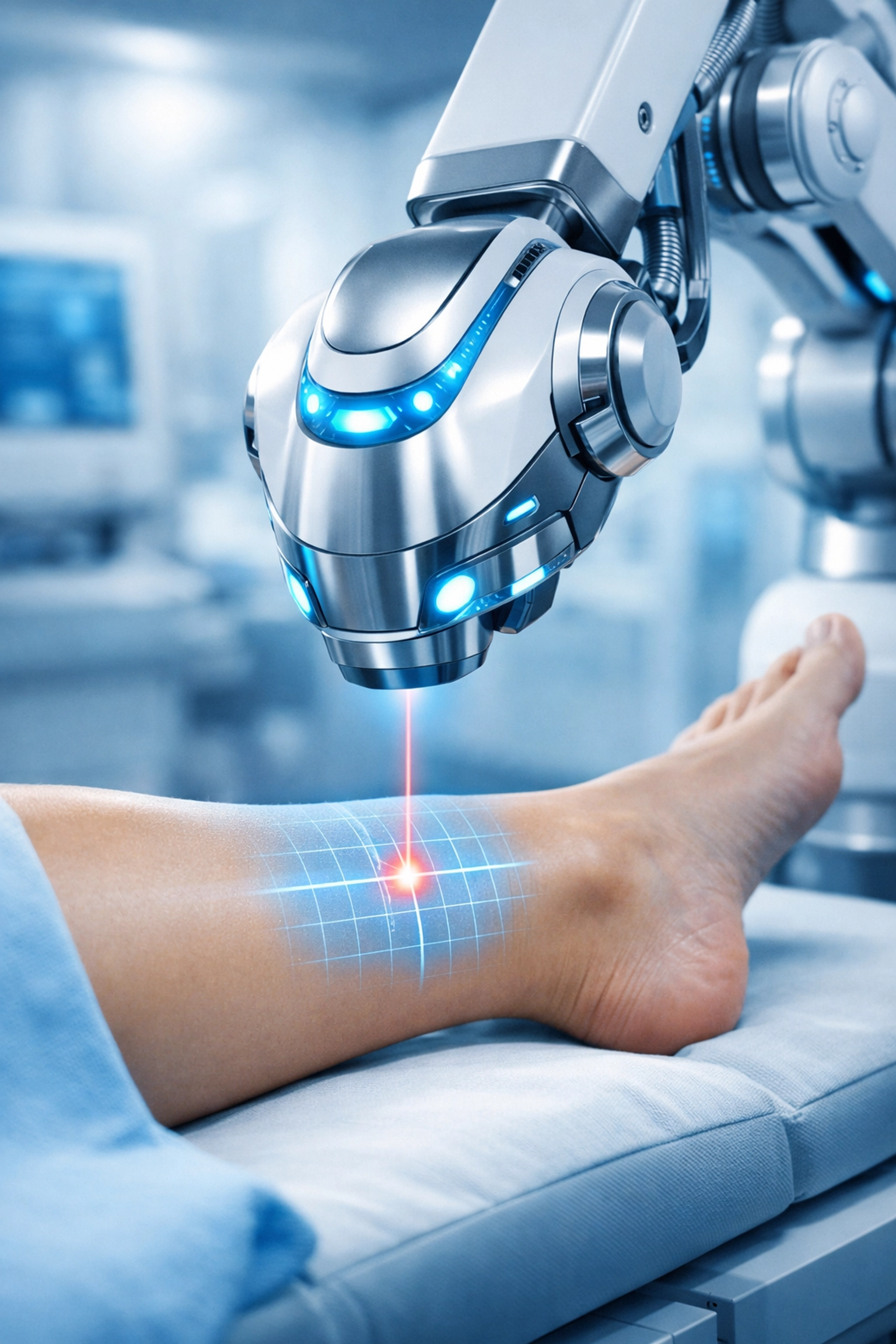
Our robotic system at Oneonta Spine & Laser removes the guesswork. It scans the area and delivers a perfectly consistent, therapeutic dose every single time. It’s hands-free, non-invasive, and incredibly precise. You just lay back, put on some cool safety goggles, and let the photons do the heavy lifting.
Is It Safe? (And Does It Hurt?)
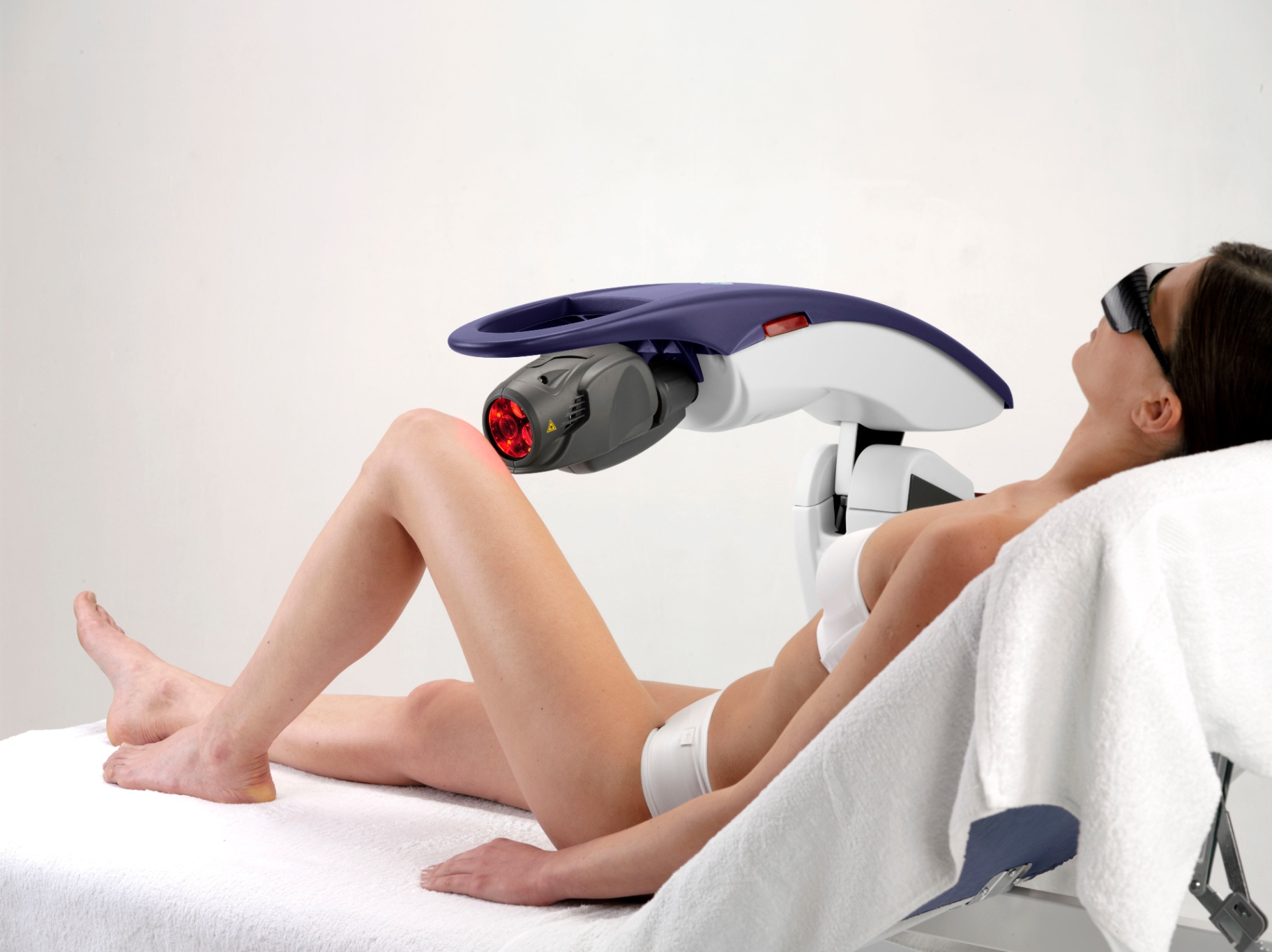
One of the best "secrets" about laser therapy is how incredibly boring the treatment actually is. You don't feel a thing: maybe a slight, soothing warmth at most. There are no side effects. You don't have to worry about liver damage, brain fog, or dizziness like you do with neuropathy medications.
Sessions usually take less than 30 minutes. Most of our patients use the time to catch up on a podcast or even take a quick nap. You can walk right out of our office and go about your day immediately afterward. For more details on what we offer, check out our Services and Techniques page.
The Comprehensive Approach
While the laser is the "superstar" of our neuropathy protocol, we don't just stop there. Nerves are finicky. They need the right fuel. That’s why we often combine our laser treatments with Lifestyle and Nutritional Advice and sometimes Functional Medicine to ensure your body has the raw materials it needs to rebuild those damaged pathways.
If your neuropathy is tied to spinal issues: like a pinched nerve in the lower back mimicking foot pain: we can even use our 3D Spine Simulator to show you exactly where the communication breakdown is happening.
Stop "Managing" and Start Healing
The biggest secret of all? You don't have to wait until you can't feel your feet at all to seek help. In fact, the earlier you start, the better the results. If you’ve been told there’s "nothing else that can be done," you haven't been to Oneonta Spine & Laser.
We aren't interested in just masking your symptoms. We want to help you get back to walking the dog, playing with the grandkids, and living a life that isn't dictated by nerve pain.
Ready to see where you stand?
Don't let another day go by with that "pins and needles" feeling. It’s time to find out if you’re a candidate for the most advanced neuropathy treatment available in our area.
Take our Free Neuropathy Severity Survey: https://mark-e-dailey.mykajabi.com/neuropathy-quiz-GHL
Jump to the head of the line by calling our clinic directly at (205) 625-3488.
For more information go to: https://mark-e-dailey.mykajabi.com/peripheral-neuropathy-1?fbclid=fbclid
We look forward to helping you get back on your feet, literally! If you want to learn more about our team before you call, feel free to meet the doctor and see why we are so passionate about what we do.