
Dr Mark Dailey
Blog for Your Health
Why MLS Robotic Laser Therapy Is More Than Just Red Light Therapy for Neuropathy
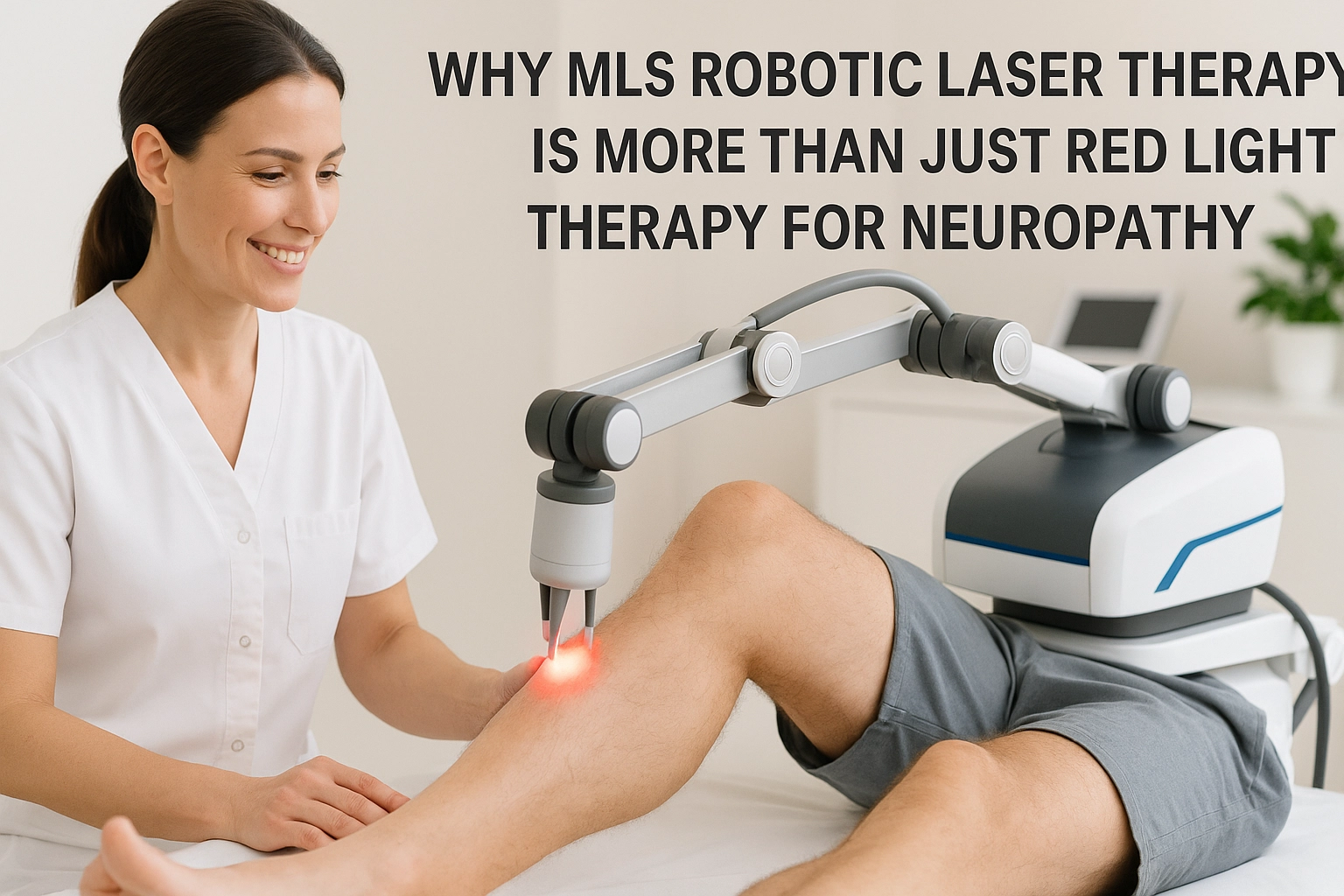
Are you living with that constant burning, tingling, or numbness in your hands and feet that makes you feel like your own body is working against you? If you've been scrolling through social media or health forums lately, you've probably noticed all the buzz about photobiomodulation therapies. Red light therapy panels, low-level lasers, and various light devices are getting massive attention for nerve pain relief, and for good reason.
But here's what most people don't realize: not all light therapies are created equal. While these treatments share some similarities, there's a world of difference between the red light therapy device you might buy online and the advanced MLS Robotic Laser Therapy we use here at Oneonta Neuropathy Center. Think of it like comparing a flashlight to a precision surgical instrument, they both produce light, but their capabilities are in completely different leagues.
The Photobiomodulation Revolution: Why Everyone's Talking About Light Therapy
Photobiomodulation, the scientific term for using specific wavelengths of light to stimulate cellular healing, has been gaining serious traction in the medical community. The concept is beautifully simple: certain wavelengths of light can actually "talk" to your cells, encouraging them to produce more energy, reduce inflammation, and accelerate healing processes.
Red light therapy, typically using LED panels or handheld devices, has become popular for home use because it's accessible and shows promise for surface-level conditions. Low-level laser therapy (LLLT) takes it a step further with more focused light delivery. Both approaches use the same basic principle, delivering specific wavelengths of red and near-infrared light to stimulate cellular activity.
For people dealing with neuropathy, this sounds incredibly promising. After all, if light can help cells heal and reduce inflammation, shouldn't it work for damaged nerves? The answer is yes: but only if the light can actually reach those damaged nerves where they need healing most.
What Makes MLS Robotic Laser Therapy Different: It's Not Just Another Light Device
Here's where the game changes completely. While red light therapy and basic low-level lasers might help with surface issues, peripheral neuropathy affects deep nerve tissue that standard light therapies simply can't reach effectively.
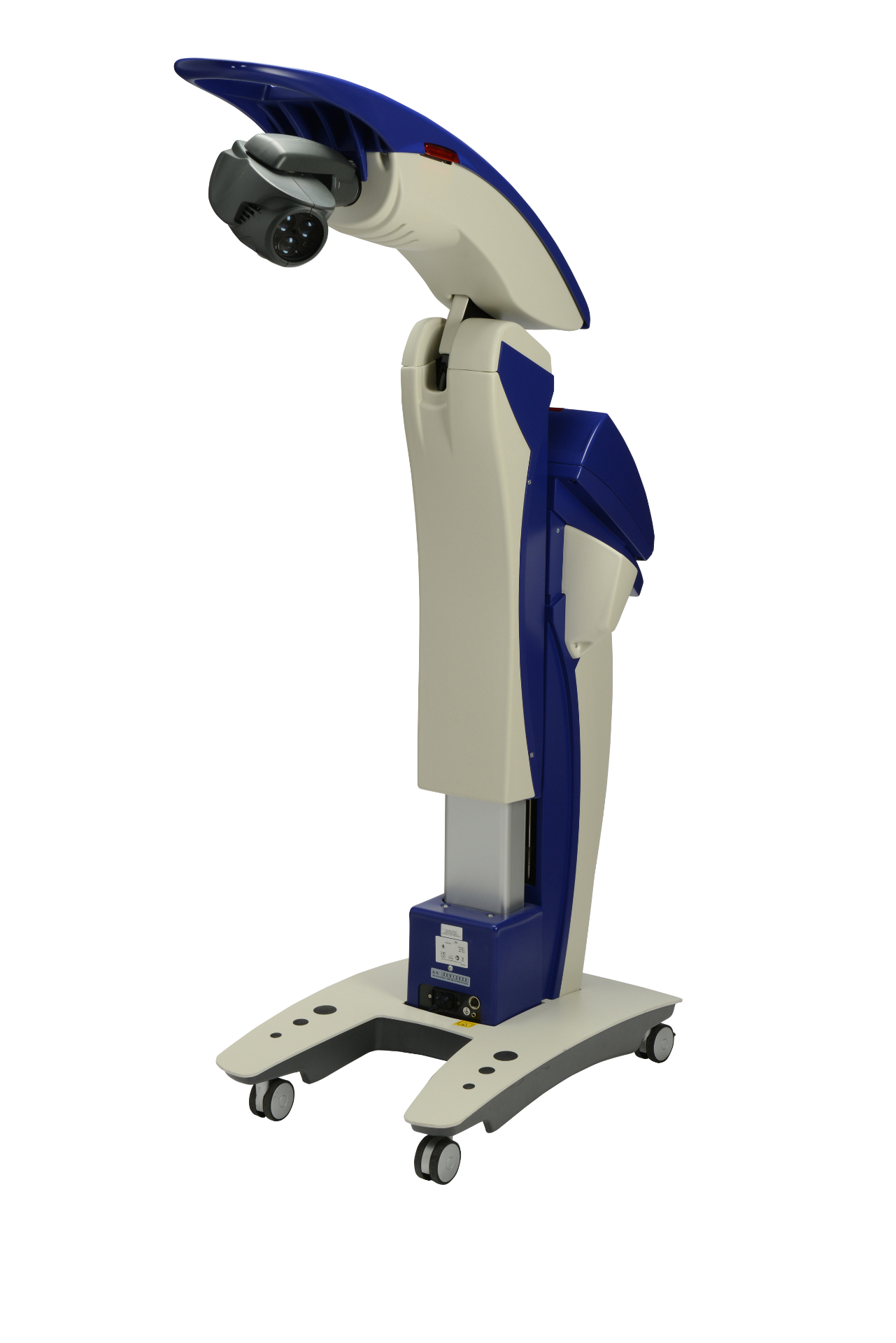
Our MLS (Multi-wave Locked System) Robotic Laser Therapy operates as a Class IV medical laser, not an LED device. This isn't just a technical distinction: it's the difference between getting real, lasting relief and just scratching the surface of your problem.
The Power Difference That Changes Everything
When we talk about power output, the numbers tell the whole story. Red light therapy devices typically deliver 50-500 milliwatts of power. That's fine for surface-level skin conditions or minor muscle discomfort. But the MLS laser? We're talking about 1,000-15,000 milliwatts of precisely controlled, coherent laser energy.
Think of it this way: if red light therapy is like gently warming your hands over a candle, MLS laser therapy is like focused sunlight through a magnifying glass: concentrated, powerful, and capable of creating real change at the cellular level.
Penetration Depth: Reaching the Root of the Problem
This is where the magic really happens. Standard red light therapy can penetrate maybe 0.5 to 2 centimeters into tissue: enough to help with surface skin issues, but nowhere near deep enough to reach the nerve damage causing your neuropathy symptoms.
The MLS Robotic Laser, on the other hand, penetrates 5-6 centimeters or deeper into soft tissue. That means we can actually reach the damaged peripheral nerves in your hands and feet where the real healing needs to happen. It's like having a key that actually fits the lock, instead of trying to open your front door with a credit card.
Dual Wavelength Technology: The Secret Sauce
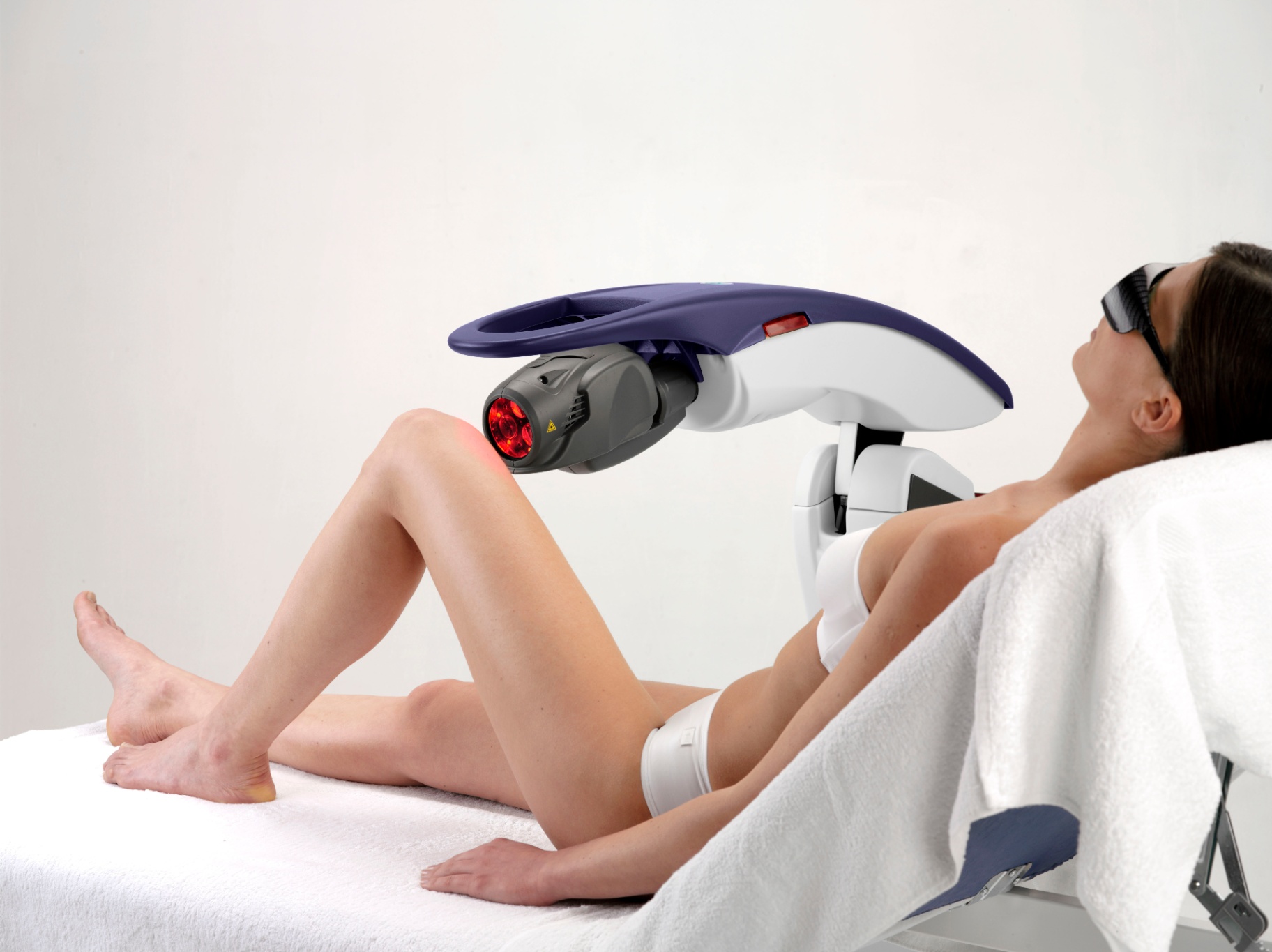
Here's what really sets our MLS system apart: it uses synchronized dual infrared wavelengths (808 nm and 905 nm) in both continuous wave and pulsed wave delivery. This isn't marketing speak: it's sophisticated engineering designed specifically for deep tissue conditions like neuropathy.
The continuous wave provides steady, consistent laser light that maintains therapeutic temperature in deep tissue. The pulsed wave delivers bursts of higher-intensity light that can trigger photobiomodulation at the cellular level without overheating tissue. When these two wavelengths work together in perfect synchronization, they create a therapeutic effect that far exceeds what either wavelength could achieve alone.
FDA Approval and Robotic Precision: Why Consistency Matters
Unlike many light therapy devices you might find online, our MLS laser is FDA-approved for medical use. This means it's undergone rigorous testing for both safety and effectiveness. But beyond FDA approval, the robotic delivery system ensures something that handheld devices simply can't provide: perfect consistency.
The robotic arm can be programmed to deliver precise amounts of energy to specific treatment areas, following exact protocols every single time. This eliminates human error and ensures that each session builds effectively on the previous one. It's like having a master craftsman who never has an off day, never gets tired, and never varies from the perfect technique.
Real Results, Faster Healing: What This Means for Your Neuropathy
Because of the coherent, high-powered nature of laser therapy, results happen faster than with LED-based treatments, requiring fewer sessions overall. While you might need to use a red light therapy panel daily for months to see modest improvements, MLS laser therapy can produce noticeable results in just a few sessions.
The mechanism of photobiomodulation with our MLS system works at the cellular level by:
- Stimulating mitochondrial activity (your cells' energy factories)
- Increasing ATP production for cellular repair
- Reducing inflammatory cytokines that cause pain
- Improving blood flow and oxygen delivery to damaged nerves
- Accelerating the removal of cellular waste products
This isn't just pain masking: it's actual nerve healing and regeneration happening at the deepest levels.
Conditions We Excel At Treating
While red light therapy might help with general wellness, our MLS Robotic Laser is specifically effective for:
- Peripheral neuropathy (diabetic and idiopathic)
- Chronic tendonitis and ligament injuries
- Arthritis and joint inflammation
- Deep tissue injuries that haven't responded to other treatments
The precision and power allow us to target these specific conditions with protocols that have been proven effective in clinical settings.
Why Oneonta Neighbors Trust Us for Real, Lasting Relief
Here's something you won't get with a home device or basic light therapy: expert clinical assessment and individualized treatment protocols. When you come to Oneonta Neuropathy Center, we don't just point a light at your symptoms and hope for the best.
We start with a comprehensive evaluation to understand exactly what's causing your neuropathy and how advanced the nerve damage has become. Then we create a specific treatment protocol using our MLS laser that targets your unique condition. Every session is monitored and adjusted based on your progress.
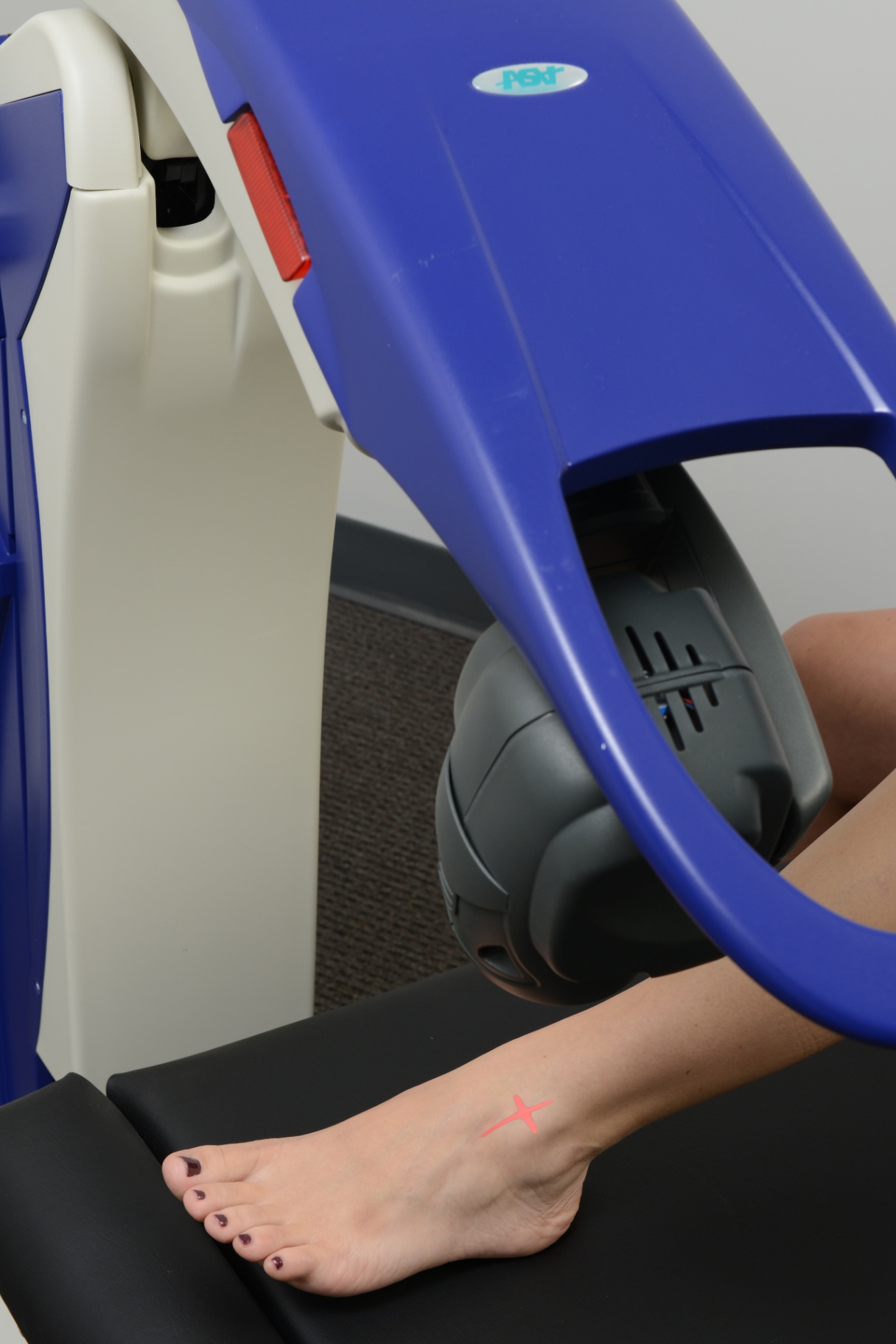
Plus, we combine the laser therapy with other evidence-based treatments like functional medicine nutritional protocols and therapeutic exercises, creating a comprehensive approach that addresses neuropathy from multiple angles.
Safety Protocols That Matter
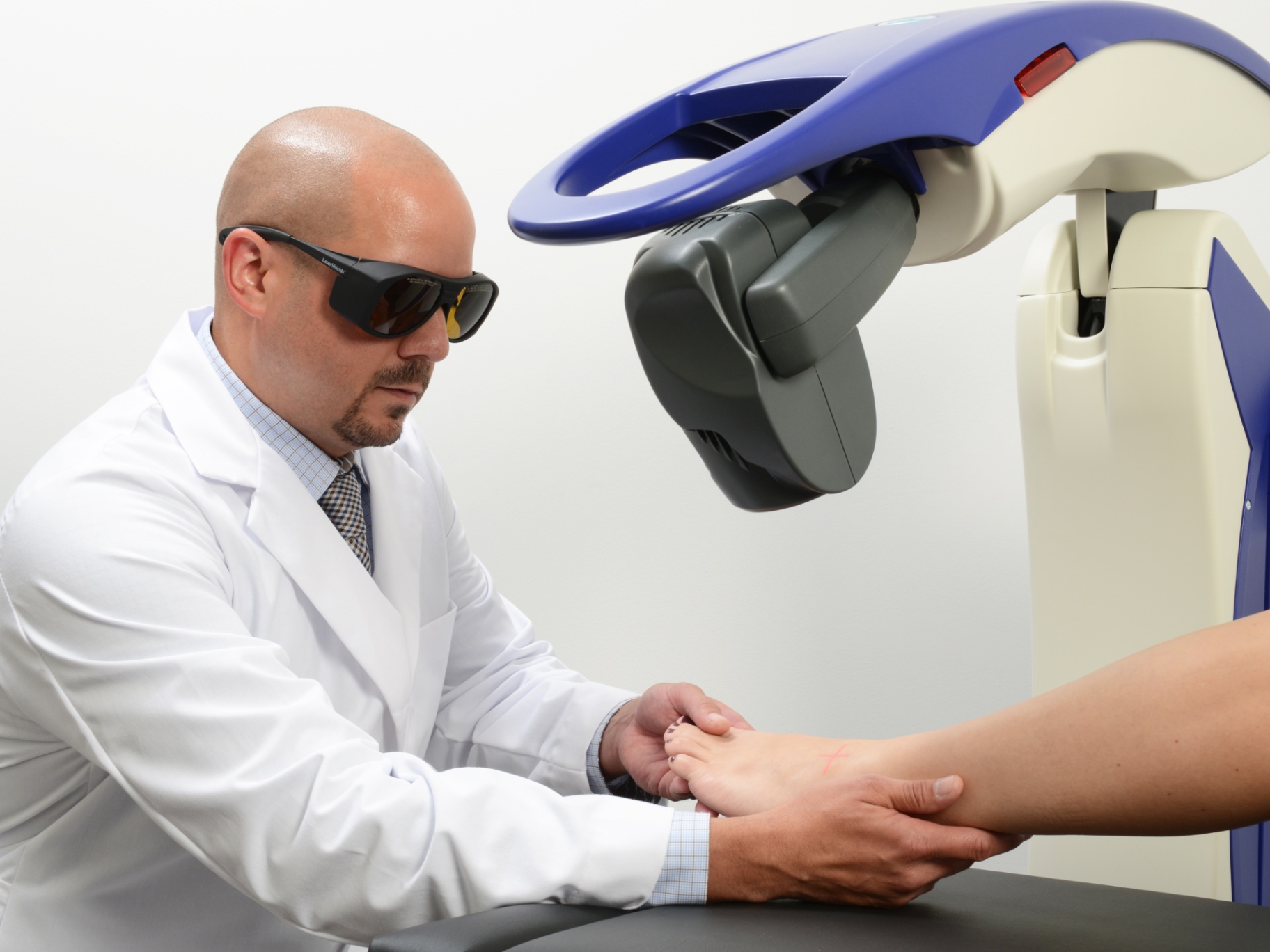
With great power comes the need for proper safety protocols. Our MLS laser requires protective eyewear and careful monitoring to prevent any risk of tissue damage. The robotic system includes built-in safety features that ensure precise energy delivery without overheating tissue.
This level of sophistication and safety simply isn't available with consumer-grade devices, no matter how much you spend on them.
The Bottom Line: Investment in Real Technology Pays Off
While red light therapy panels and basic laser devices might seem like a cost-effective option, they're simply not capable of addressing the deep nerve damage that causes peripheral neuropathy. It's like trying to fix a foundation problem by painting the walls: you might feel like you're doing something, but you're not addressing the real issue.
Our MLS Robotic Laser Therapy represents a significant investment in cutting-edge medical technology, FDA-approved safety standards, and proven clinical protocols. When you're dealing with the life-changing symptoms of neuropathy, you deserve a treatment that's actually capable of reaching the source of your problem.
That's why so many of your Oneonta neighbors have chosen to trust us with their neuropathy care. They've discovered what we've known all along: when it comes to nerve healing, precision and power make all the difference. No drugs, no surgery, just advanced technology working to help your nerves actually heal instead of just masking the symptoms.
Ready to Experience the Difference?
If you're tired of treatments that barely scratch the surface of your neuropathy symptoms, it might be time to discover what real laser therapy can do. The difference between hoping for relief and actually achieving it often comes down to using the right tool for the job.
Curious if you could benefit? Take our Free Neuropathy Severity Assessment to Evaluate your Condition. Click here https://mark-e-dailey.mykajabi.com/neuropathy-quiz