
Dr Mark Dailey
Blog for Your Health
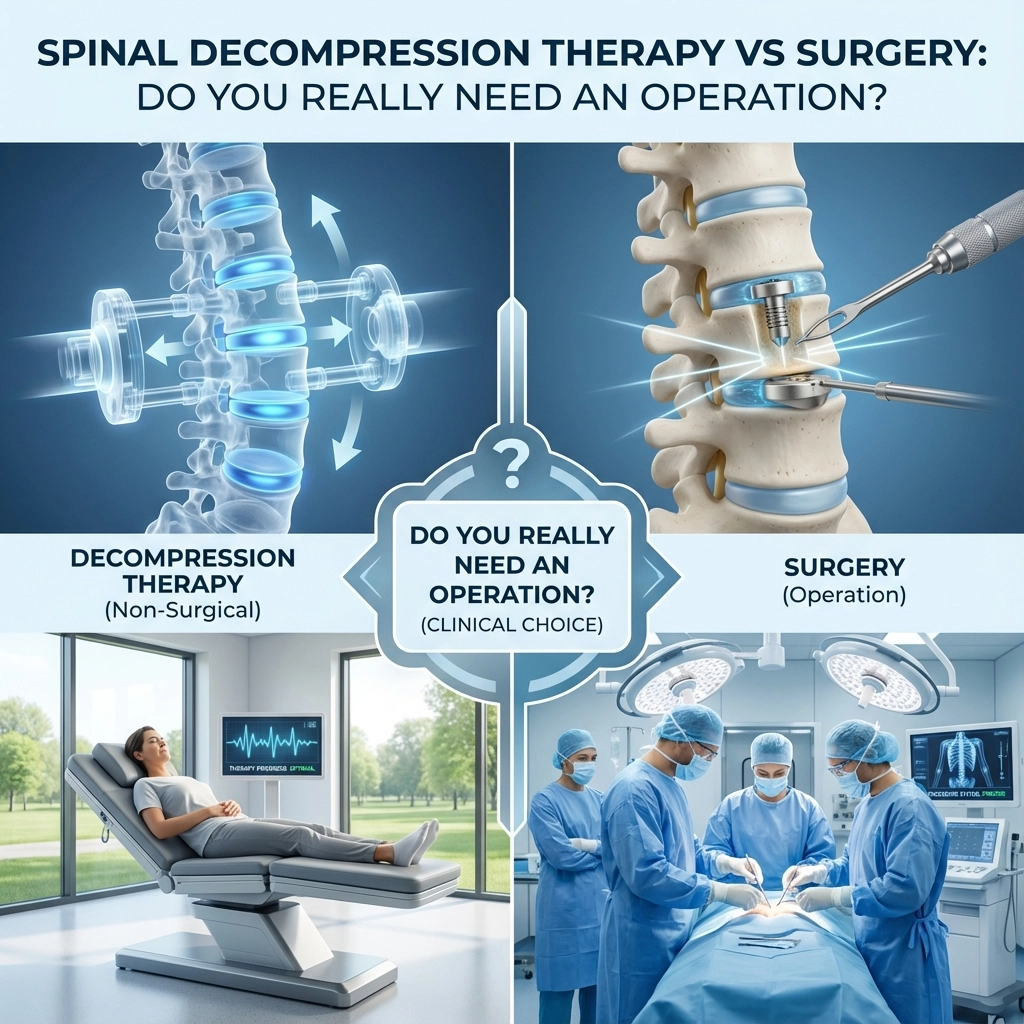
If you're dealing with chronic back pain, herniated discs, or pinched nerves here in Oneonta, you've probably wondered whether surgery is your only option. The good news? It's not. Many patients are discovering that non-surgical spinal decompression therapy can provide significant relief without going under the knife.
But how do you know which path is right for you? Let's break down the real differences between these two approaches so you can make an informed decision about your spine health.
Understanding Non-Surgical Spinal Decompression
Non-surgical spinal decompression therapy uses computerized traction to gently stretch your spine, creating negative pressure within the discs. This process helps draw herniated or bulging disc material back into place while promoting the flow of healing nutrients into the affected areas.
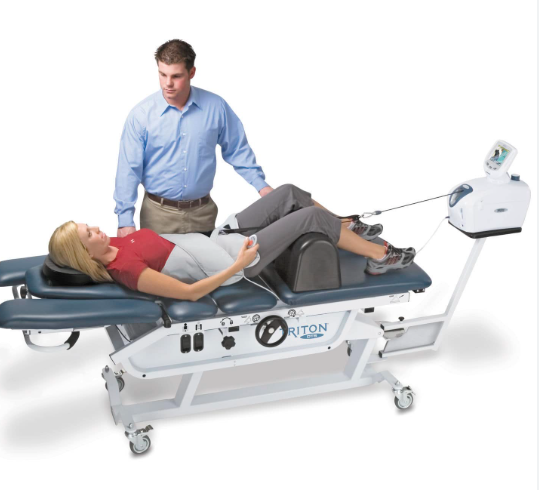
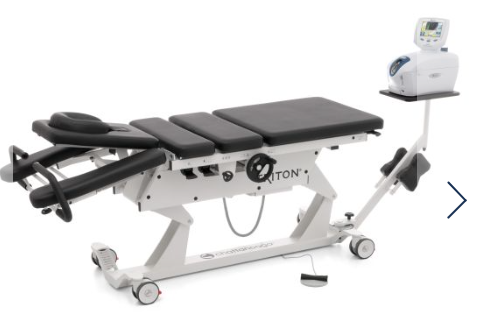
During treatment, you'll lie comfortably on a specialized table while a computer-controlled system applies precise amounts of distraction force to your spine. Sessions typically last 20-30 minutes, and most patients find the experience relaxing – some even fall asleep during treatment.
The therapy works by:
- Reducing pressure on compressed discs and nerves
- Improving blood flow and nutrient exchange to damaged tissues
- Promoting natural healing without medications or invasive procedures
- Restoring proper spinal alignment and function
What Surgical Decompression Involves
Surgical spinal decompression encompasses several different procedures, depending on your specific condition. Common surgical options include:
Laminectomy: Removal of part of the vertebral bone (lamina) to create more space for compressed nerves.
Discectomy: Surgical removal of herniated disc material that's pressing on nerves.
Foraminotomy: Widening of the openings where nerve roots exit the spine.
Spinal Fusion: Permanently joining two or more vertebrae together, often combined with other decompression procedures.
These surgeries require general anesthesia, hospital stays, and significant recovery periods. While they can address severe structural problems, they also permanently alter your spine's anatomy.
Side-by-Side Comparison
| Factor | Non-Surgical Decompression | Surgical Decompression |
|---|---|---|
| Recovery Time | Immediate return to activities | 6-12 weeks minimum |
| Risks | Minimal (mild soreness) | Infection, nerve damage, blood clots |
| Cost | Significantly lower | $50,000-$150,000+ |
| Anesthesia | None required | General anesthesia needed |
| Hospital Stay | Outpatient treatment | 1-5 days typical |
| Permanence | Completely reversible | Permanent structural changes |
| Success Rate | 71-89% improvement | 26-90% depending on procedure |
Recovery: What to Expect
Non-Surgical Recovery Most patients experience some relief within the first few sessions, with optimal results typically achieved after 15-20 treatments over 4-6 weeks. You can drive yourself to and from appointments, return to work the same day, and maintain your normal activities throughout treatment.
Surgical Recovery Surgical recovery is measured in months, not days. You'll need assistance with daily activities for weeks, followed by extensive physical therapy. Many patients require 3-6 months before returning to normal activities, and some never regain their pre-injury function levels.
Who Should Consider Each Option?
Non-Surgical Decompression May Be Right If You Have:
- Herniated or bulging discs
- Degenerative disc disease
- Sciatica or radiating leg pain
- Chronic neck or back pain
- Pinched nerves
- Failed back surgery syndrome
Surgery Might Be Necessary If You Experience:
- Severe nerve compression with significant weakness
- Loss of bowel or bladder control
- Progressive neurological symptoms
- Failure to respond to comprehensive conservative care over 6+ months
The Smart Money Says: Try Non-Surgical First
Here's what many Oneonta residents don't realize: most spine surgeons actually recommend trying conservative treatments before considering surgery. In fact, a recent study showed that patients who underwent non-surgical decompression first had better long-term outcomes than those who jumped straight to surgery.
Why? Non-surgical treatment preserves your body's natural structure while addressing the root cause of your pain. Surgery, while sometimes necessary, permanently alters your spine and can lead to adjacent segment disease – where the levels above and below a fusion develop problems due to increased stress.
Real Results from Real People
Consider Sarah, a teacher from Oneonta who was told she needed fusion surgery for her herniated disc. After completing a course of non-surgical decompression therapy, she returned to teaching pain-free and avoided surgery entirely. Or think about Mike, a local contractor who was facing months off work for back surgery – non-surgical decompression got him back on the job in just a few weeks.
These aren't isolated cases. Studies consistently show that 71-89% of patients experience significant improvement with non-surgical spinal decompression.
Why Location Matters for Your Treatment
When you're dealing with chronic pain, convenience matters. Having to drive hours for treatment or take extended time off work for surgery can add stress to an already difficult situation. That's why having access to advanced non-surgical decompression right here in Oneonta is such a game-changer.
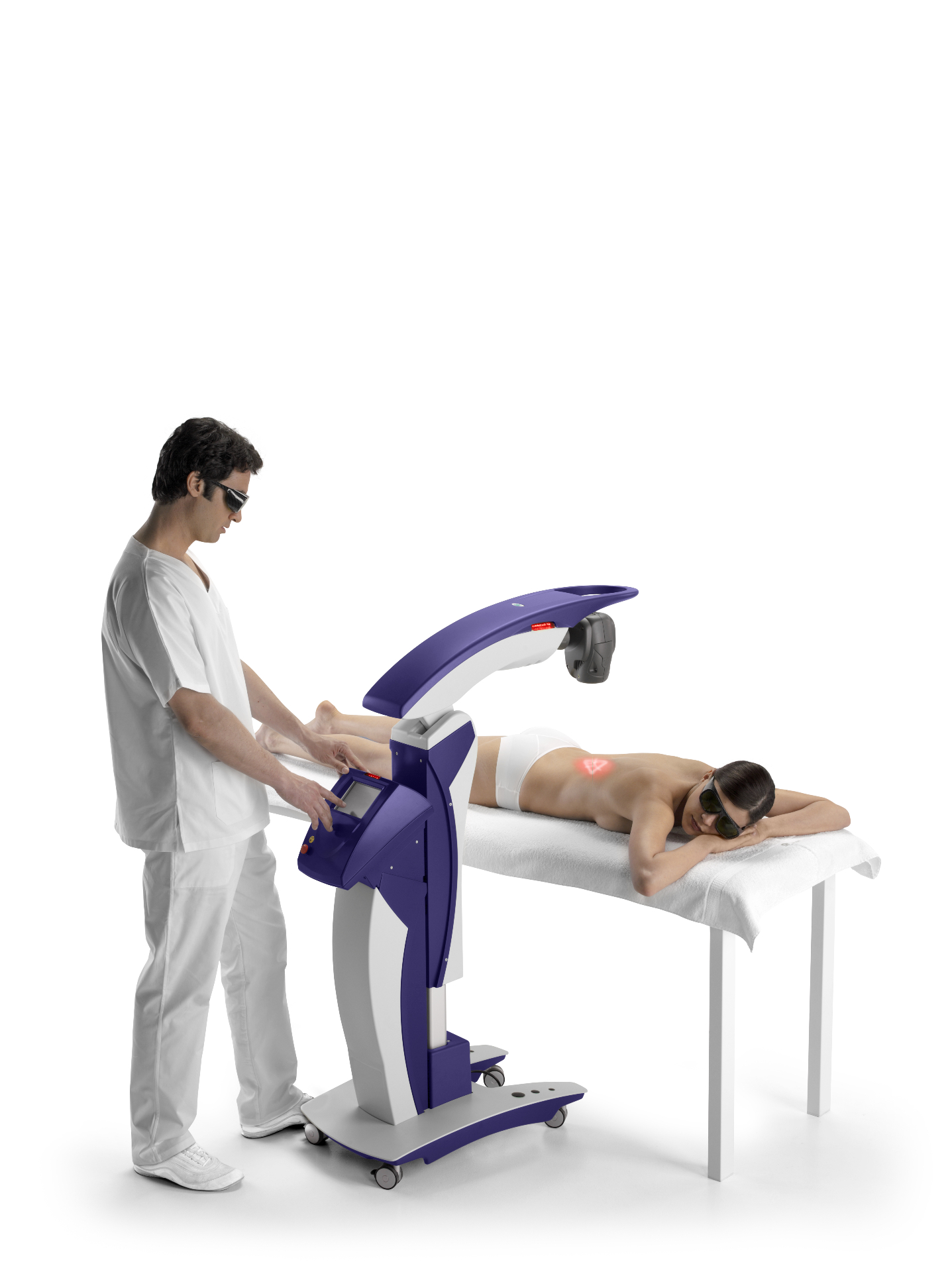
At Oneonta Spine & Laser, we combine state-of-the-art spinal decompression with other advanced therapies like Class IV laser treatment to maximize your results. This integrated approach often produces better outcomes than any single treatment alone.
The Financial Reality
Let's talk numbers. Spinal surgery can cost anywhere from $50,000 to $150,000 or more when you factor in hospital stays, surgeon fees, anesthesia, and post-surgical care. Even with good insurance, your out-of-pocket costs can be substantial.
Non-surgical decompression therapy costs a fraction of that amount. Many insurance plans cover the treatment, and even if you pay out-of-pocket, the total cost is typically less than most surgical deductibles.
Making Your Decision
The question isn't whether surgery works – it can be highly effective for the right conditions. The question is whether you need to take that step right now, or if you might achieve the same results with a less invasive approach.
Consider these factors:
- How long have you been dealing with pain?
- Have you tried comprehensive conservative care?
- What does your MRI or imaging show?
- Are you experiencing any red flag symptoms?
- What are your personal preferences regarding risk and recovery time?
Your Next Step
If you're tired of living with chronic back or neck pain, and you're wondering whether you really need surgery, why not explore your non-surgical options first? At Oneonta Spine & Laser, we provide comprehensive evaluations to determine if you're a candidate for non-surgical spinal decompression.
Dr. Dailey and our team have helped hundreds of Blount County residents avoid unnecessary surgery while getting back to the activities they love. We'll review your medical history, examine your condition, and discuss all your options – including when surgery might actually be the best choice.
Don't let another day go by wondering "what if?" Take control of your spine health and discover if non-surgical spinal decompression can help you avoid surgery while getting the back pain relief or neck pain treatment you need.
Ready to explore your options? Call Oneonta Spine & Laser today at (205) 625-3488 to schedule your consultation. Your spine – and your quality of life – are worth it.
Remember, you don't have to choose between living with pain and going under the knife. There's often a third option that's safer, more convenient, and just as effective. Let's find out if it's right for you.