
Dr Mark Dailey
Blog for Your Health
Peripheral Neuropathy Treatment: 5 Things You Should Know Before Your First Visit
![[HERO] Peripheral Neuropathy Treatment: 5 Things You Should Know Before Your First Visit](https://cdn.marblism.com/n5Xct8xaOyd.webp)
If you're dealing with peripheral neuropathy, you know the drill. The burning, tingling, numbness that keeps you up at night. The struggle to walk without feeling like you're stepping on pins and needles. Maybe you've tried medications that left you feeling foggy or barely touched the pain.
Here's the good news: peripheral neuropathy treatment has come a long way, and not all clinics are created equal. At Oneonta Spine & Laser, we're doing things differently: combining cutting-edge technology with old-school, personalized care.
Before you book your first visit, here are five things you should know about how we approach peripheral neuropathy treatment.
1. We Use Advanced Class 4 Robotic Laser Technology (Not Your Average Laser)
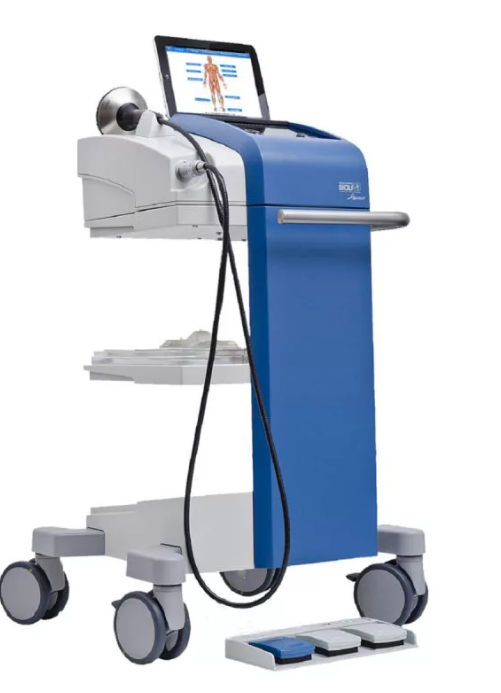
Let's talk tech for a second. You've probably heard about laser therapy, but what we're using here in Oneonta is next-level stuff: the Class 4 MLS M6 robotic laser.
This isn't some handheld device that requires a technician to manually move it around. The M6 is a robotic system that delivers precise, consistent treatment to the affected areas: usually your feet, legs, and hands if you're dealing with neuropathy.
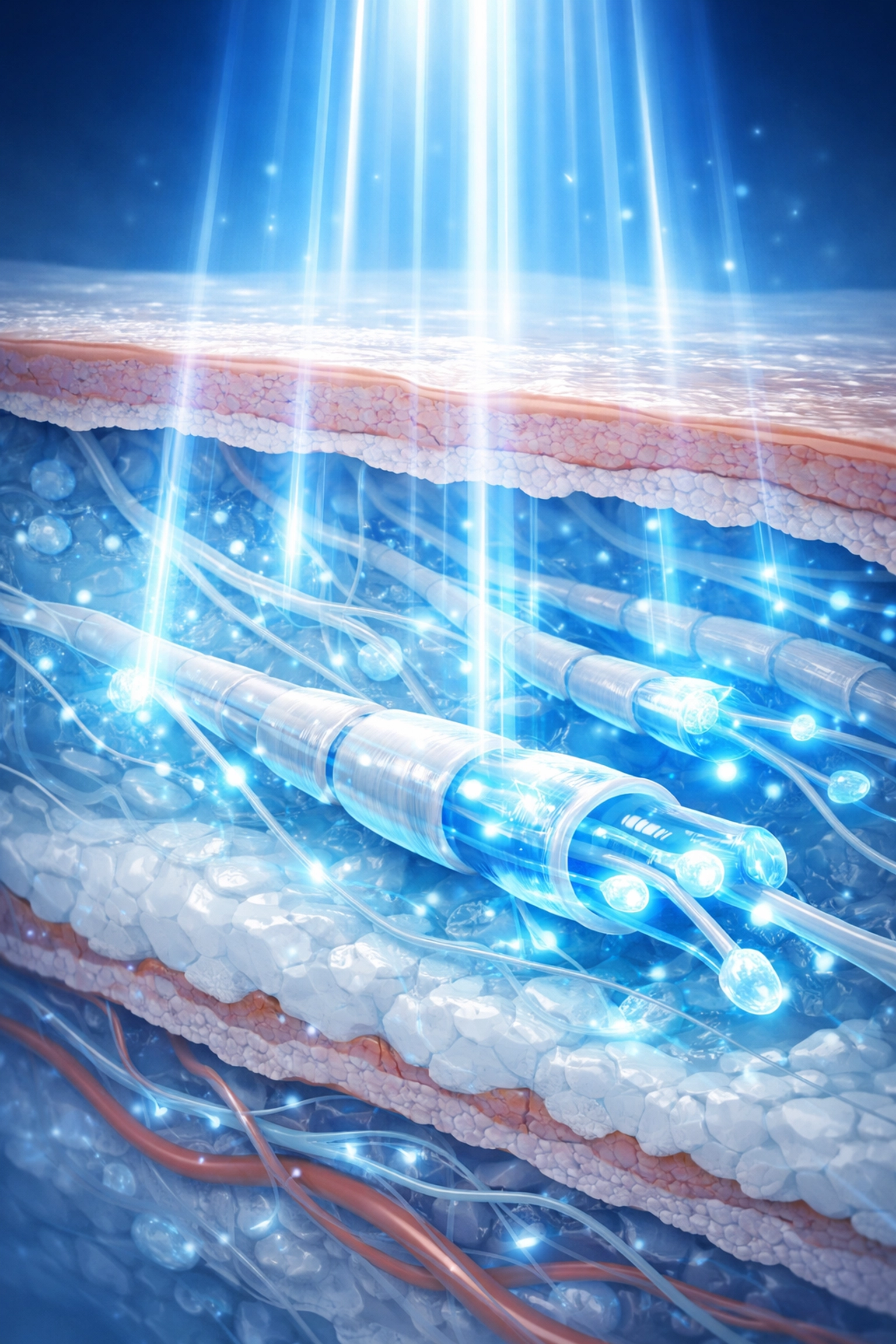
Here's why that matters: the Class 4 laser penetrates deep into tissue to reduce inflammation, increase blood flow, and stimulate nerve repair at the cellular level. It's non-invasive, drug-free, and patients consistently report less pain, better sleep, and improved ability to walk after just a few sessions.
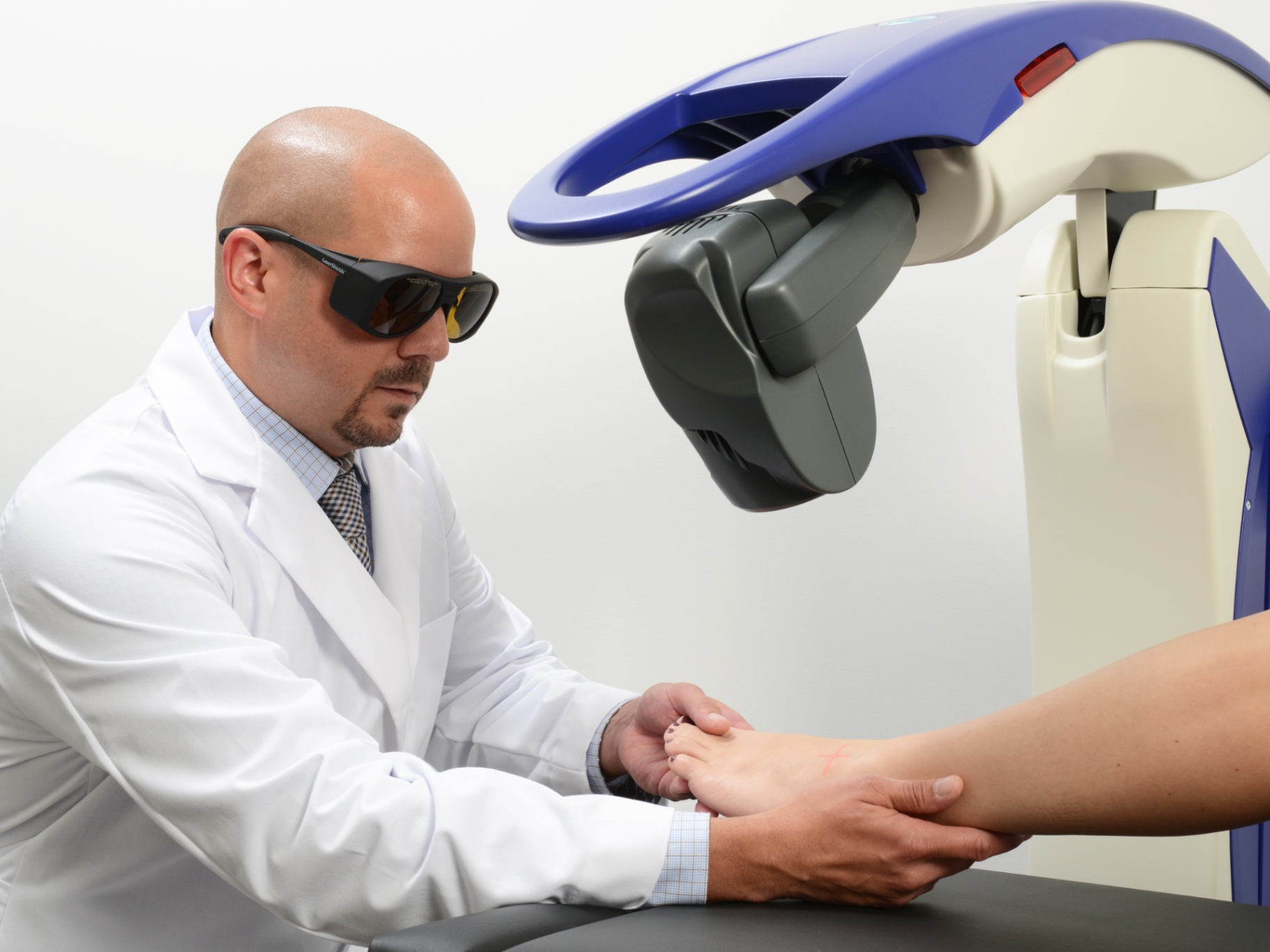
During your first visit, Dr. Dailey will explain exactly how the laser works for your specific case. You'll wear protective eyewear, get comfortable on the treatment table, and let the technology do its thing: usually for about 15-20 minutes.
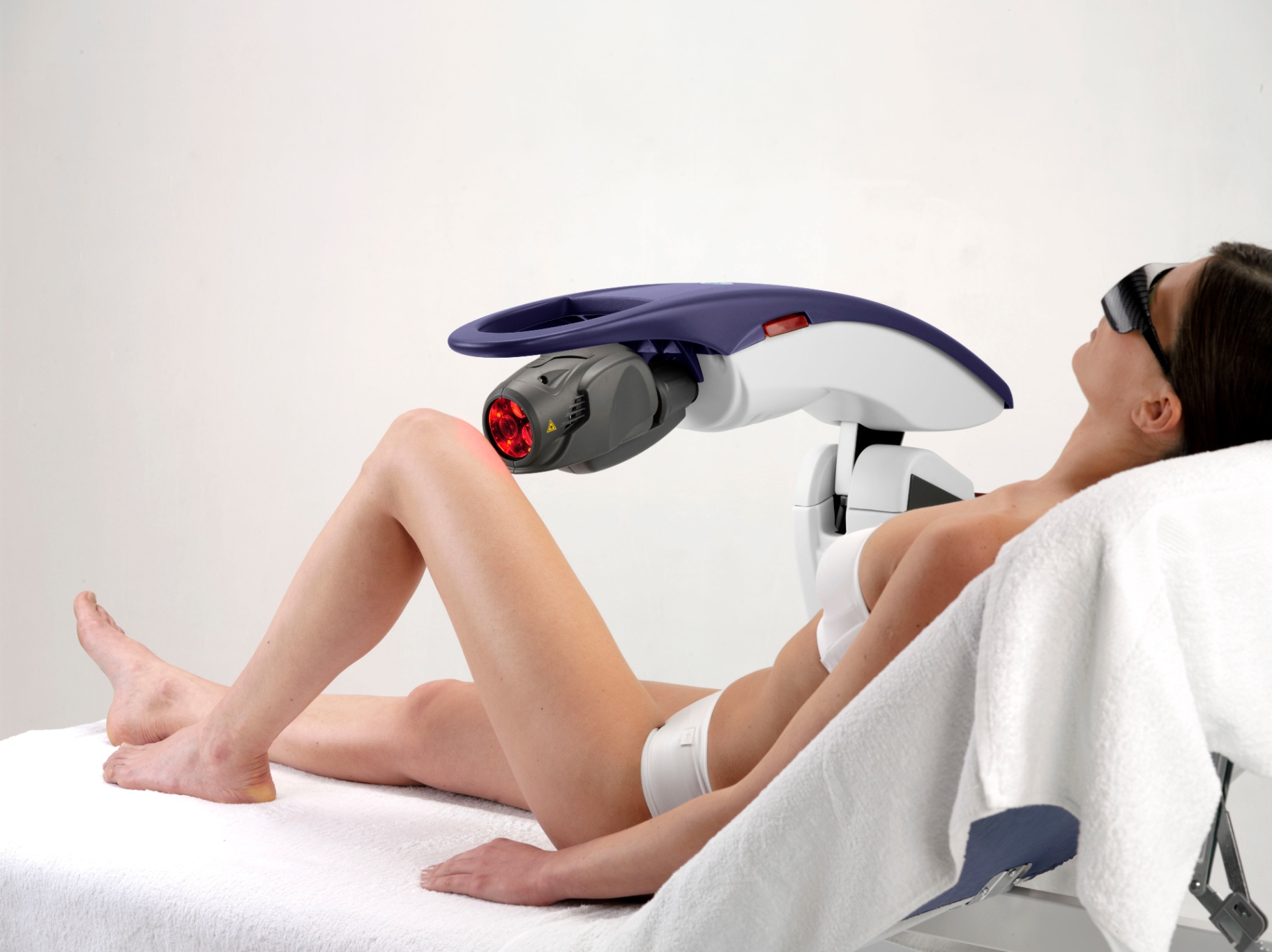
Most patients describe it as a warm, soothing sensation. No pain, no downtime, just targeted healing.
2. It's Not Just About Masking Pain – We Address the Root Cause
Here's where a lot of traditional medical approaches fall short: they focus on symptom management rather than getting to the bottom of why you have neuropathy in the first place.
Sure, medications like gabapentin or duloxetine might take the edge off, but they're not addressing the underlying problem. And they often come with side effects: dizziness, brain fog, weight gain: that can make you feel worse in other ways.
At your first visit, Dr. Dailey takes a different approach. He's not just going to ask about your symptoms; he's going to dig into your health history, lifestyle, medications, and even nutritional status.
Why? Because peripheral neuropathy has many potential causes:
- Diabetes and blood sugar dysregulation
- Vitamin B12 or other nutritional deficiencies
- Medication side effects
- Autoimmune conditions
- Spinal issues creating nerve compression
We use a functional medicine approach to identify and treat the root cause whenever possible. That might mean working with you on blood sugar management, recommending specific supplements to address deficiencies, or combining laser therapy with chiropractic adjustments to relieve nerve pressure.
The goal isn't just to help you feel better temporarily: it's to actually improve your nerve function and halt the progression of neuropathy.
3. You'll Get One-on-One Time with Dr. Dailey (Not Just 5 Minutes)
Let's be honest: when was the last time you saw a doctor who actually listened to you for more than a few minutes before rushing to the next patient?
At Oneonta Spine & Laser, your first visit isn't a conveyor belt experience. Dr. Dailey personally spends time with each patient, getting to know your story, your struggles, and your goals.
This matters more than you might think. Peripheral neuropathy affects everyone differently. One person might struggle most with sleep disruption from burning feet. Another might be terrified of falling because they can't feel their feet properly. Someone else might be most concerned about losing their independence.
Dr. Dailey takes the time to understand what matters most to you, then builds a personalized treatment plan around those priorities.
You can learn more about what to expect at your first visit here, but the short version is: expect to be heard, not rushed.
4. Treatment Is Personalized Using Functional Medicine
This ties into point #2, but it deserves its own section because it's such a game-changer.
Functional medicine looks at the body as an interconnected system rather than a collection of separate parts. When you have peripheral neuropathy, we don't just treat your feet: we look at your whole health picture.
During your initial evaluation, Dr. Dailey might order specific lab work to check:
- Hemoglobin A1C and fasting glucose (even if you're not diabetic)
- Vitamin B12, folate, and other B vitamins
- Inflammatory markers
- Thyroid function
- Heavy metal exposure
Why all this testing? Because treating neuropathy effectively means addressing the metabolic and nutritional factors that contribute to nerve damage.
Your personalized treatment plan might include:
- Class 4 laser therapy sessions (typically 2-3 times per week initially)
- Specific nutritional supplementation
- Dietary recommendations to stabilize blood sugar
- Lifestyle modifications
- Chiropractic adjustments if spinal issues are contributing
This comprehensive approach is what sets functional medicine apart from the "take this pill and call me in six months" model.
5. Small-Town Care Gets Better Results
There's something to be said for getting treatment in a community where your doctor knows your name: and actually cares about your outcome.
In big-city clinics or corporate healthcare settings, you're often just another number. Treatment protocols are one-size-fits-all. Follow-up is minimal.
Here in Oneonta and Blount County, we do things differently. Dr. Dailey has built his practice on relationships and results. When you're part of our patient family, your progress matters to us personally.

That means:
- Accountability: We check in on how you're doing between visits
- Flexibility: If something isn't working, we adjust your treatment plan quickly
- Accessibility: You can actually reach us when you have questions
- Community: You're surrounded by neighbors who've experienced similar health challenges and found relief
Studies consistently show that patient outcomes improve when there's a strong doctor-patient relationship and continuity of care. That's harder to achieve in high-volume, impersonal settings.
Small-town care isn't just more comfortable: it's often more effective.
What to Expect Moving Forward
If you're ready to take the next step, here's how it works:
- Call us at (205) 625-3488 or visit daileychiro.com to schedule your first appointment
- Fill out your new patient paperwork (you can do this online at our new patient center to save time)
- Come in for your comprehensive evaluation with Dr. Dailey
- Get your personalized treatment plan based on your specific needs and goals
- Start feeling better: most patients notice improvements within the first few weeks
Peripheral neuropathy doesn't have to control your life. With the right technology, the right approach, and a doctor who actually cares about getting you better, you can reduce pain, improve sleep, walk with more confidence, and get back to doing the things you love.
Ready to see what's possible? Give us a call at (205) 589-7007 or schedule your first visit online. We're here to help.