
Dr Mark Dailey
Blog for Your Health
Can Damaged Nerves Really Regrow? What Neuropathy Patients Need to Know
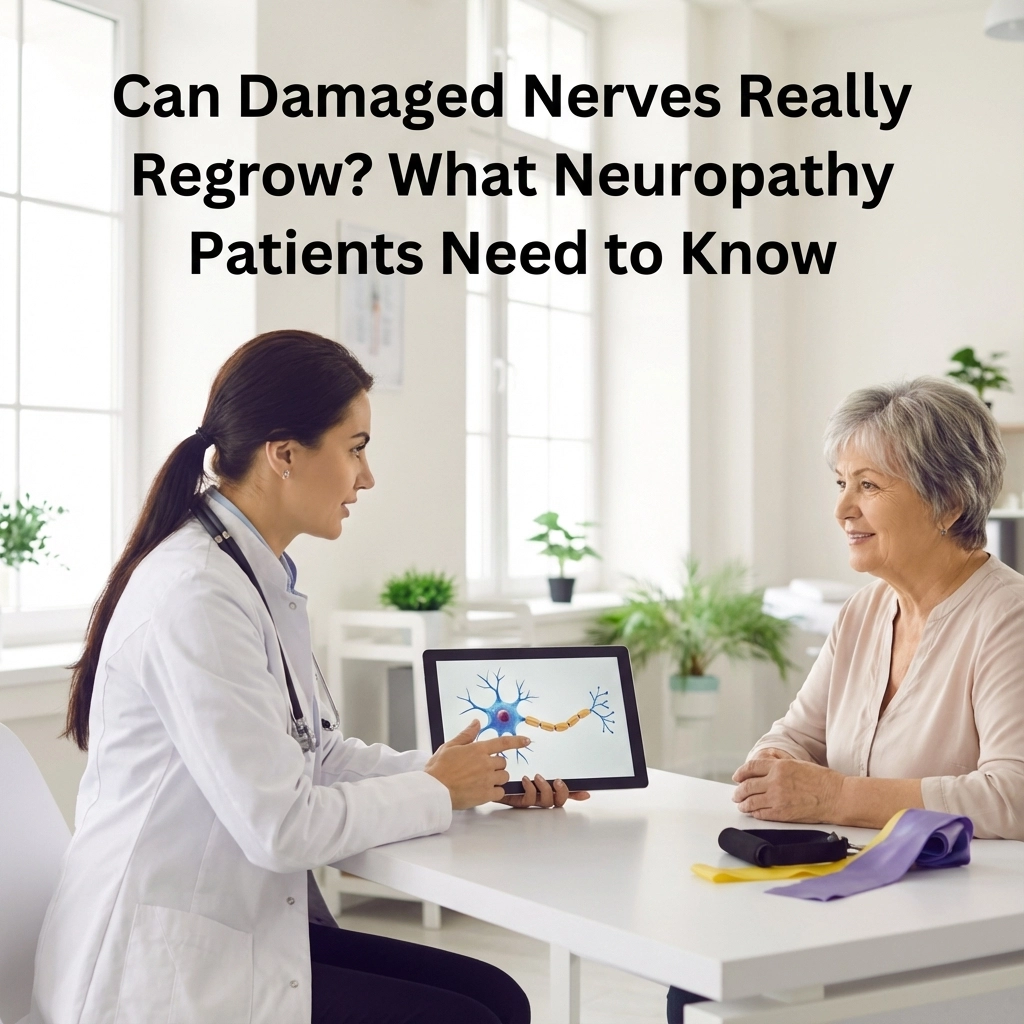
Are you living with the burning, tingling, and numbness of neuropathy, wondering if your damaged nerves will ever heal? If you're like most neuropathy patients, you've probably been told that nerve damage is permanent, that the best you can hope for is managing symptoms with medications. But what if that's not entirely true?
The question of whether damaged nerves can regrow is one of the most important topics in neuropathy treatment today. And the answer may surprise you: Yes, under the right conditions, damaged nerves can regenerate and heal. But it's not as simple as waiting for time to work its magic.
The Science Behind Nerve Regeneration: Separating Fact from Fiction
Let's start with the fundamental truth that many patients don't know: peripheral nerves: the nerves outside your brain and spinal cord: have a remarkable ability to regrow after injury. This is completely different from nerves in your brain or spinal cord, which have long been considered permanently damaged when injured.
Recent groundbreaking research from Ohio State University has revealed something extraordinary. Scientists discovered that special white blood cells from bone marrow can be transformed into powerful healing agents that promote nerve fiber regrowth. In laboratory studies using human cells from eight different donors, these cells successfully triggered nerve regeneration and tripled the survival rate of stressed nerve cells.
But here's what you need to understand about the timeline: nerve regeneration happens slowly. When a peripheral nerve is damaged, it typically regrows at a rate of just 1 to 2 millimeters per day. That means if you have nerve damage around your knee affecting sensation in your foot, it could take up to a year for that nerve to regrow back to your foot: if the conditions are right for healing.
What Actually Needs to Happen for Nerves to Heal
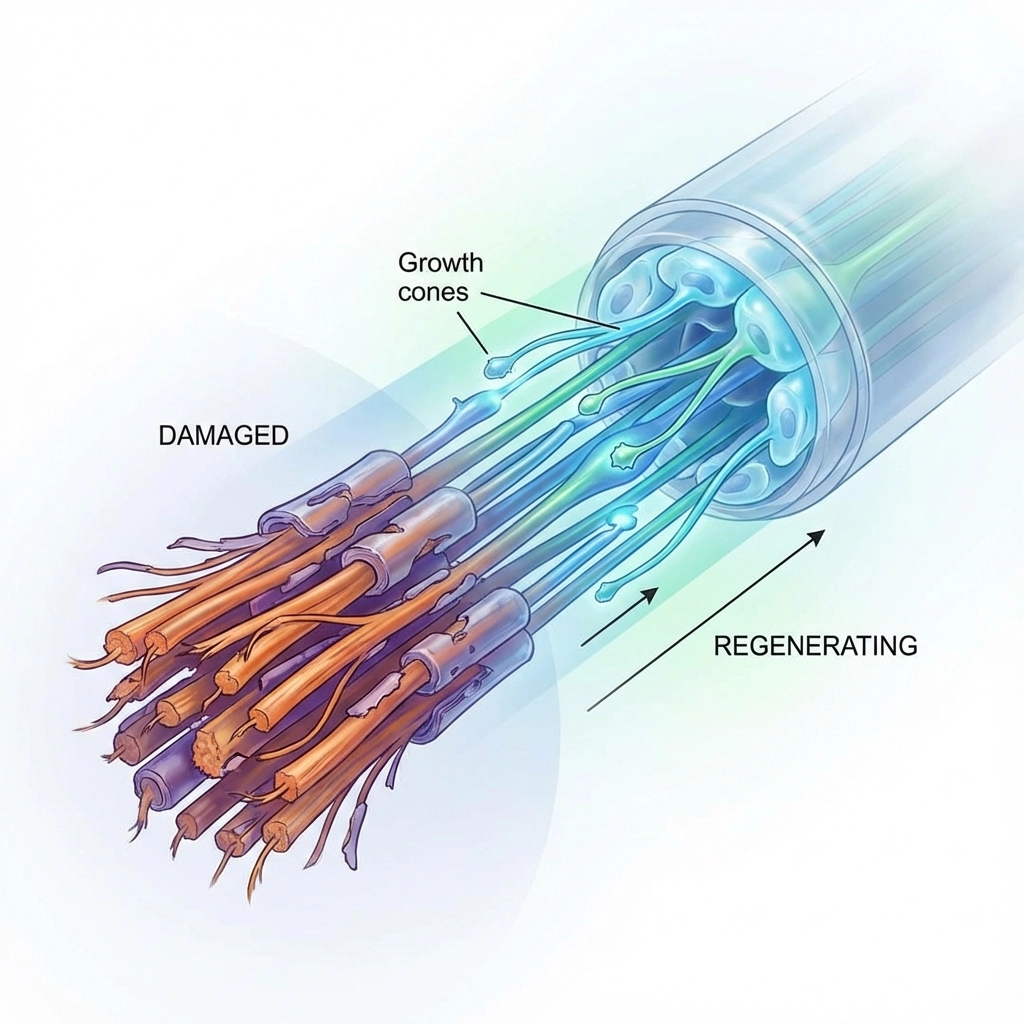
At the cellular level, nerve regeneration is a complex biological process that requires very specific conditions. Here's what needs to occur for your nerves to have the best chance of healing:
1. Adequate Blood Flow and Oxygen
Damaged nerves need increased circulation to deliver the nutrients and oxygen required for repair. Poor circulation: often caused by diabetes, inflammation, or other underlying conditions: is one of the biggest obstacles to nerve healing.
2. Reduced Inflammation
Chronic inflammation creates an environment that inhibits nerve regeneration. The inflammatory process that initially helps clear damaged tissue can become counterproductive when it persists long-term.
3. Cellular Energy Production
At the microscopic level, nerve cells need to break down protein clusters called stress granules, which releases molecular building blocks that the nerve cell uses to construct new proteins and extend the nerve fiber. This process requires significant cellular energy.
4. Nutritional Support
Your nerves need specific vitamins, minerals, and nutrients to fuel the regeneration process. Deficiencies in B vitamins, alpha-lipoic acid, and other key nutrients can significantly slow or prevent nerve healing.
How MLS Class 4 Robotic Laser Therapy Supports Nerve Regeneration
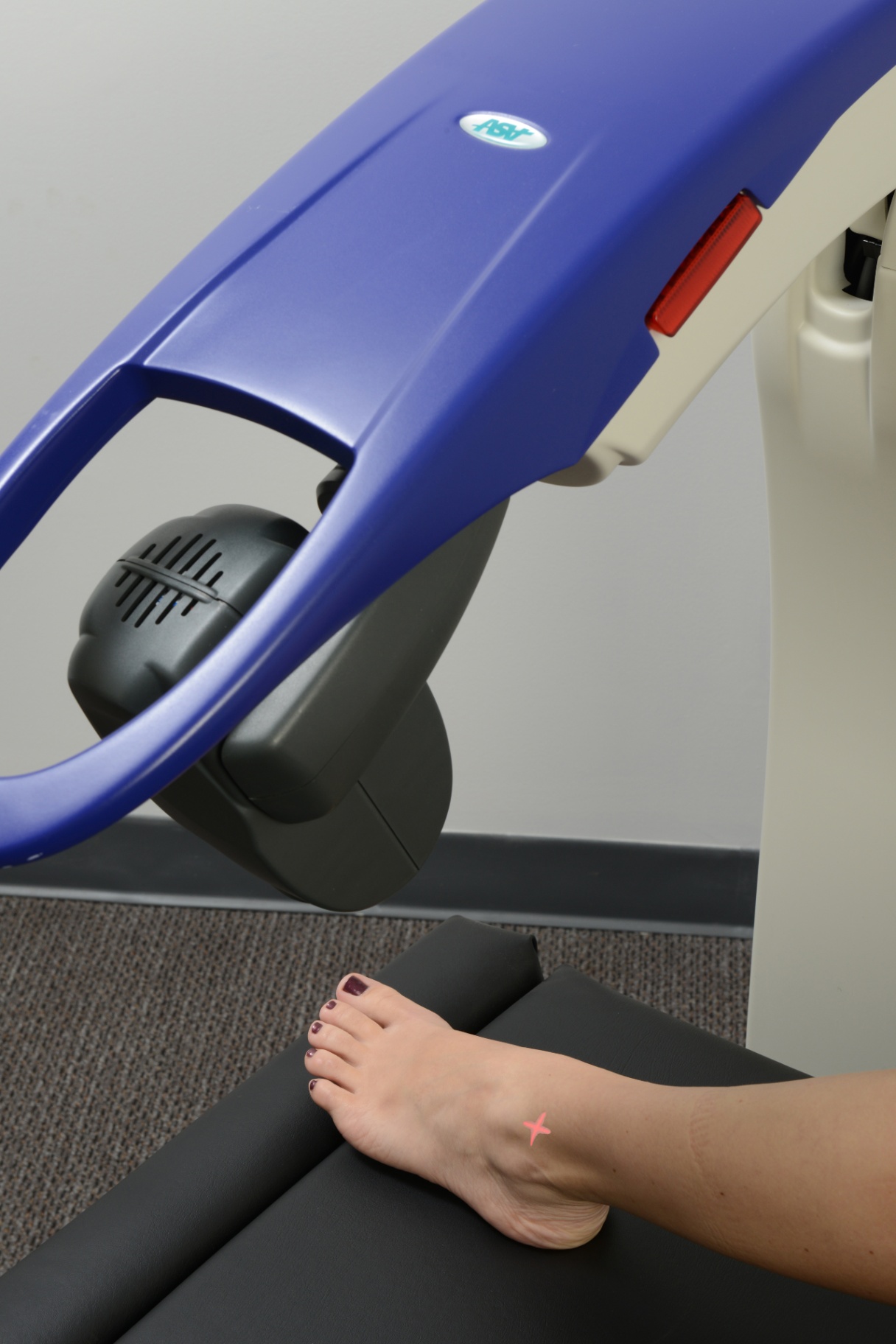
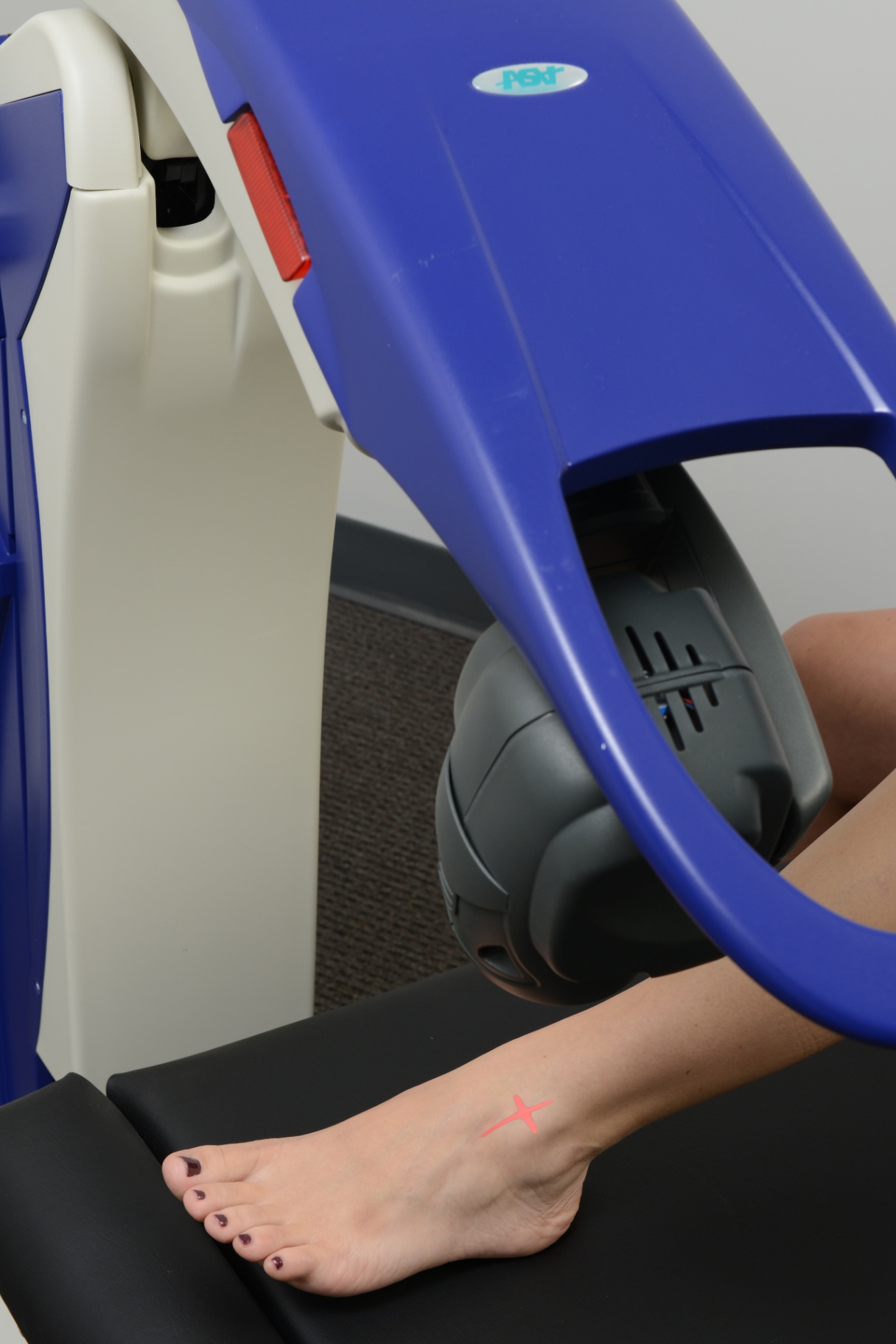
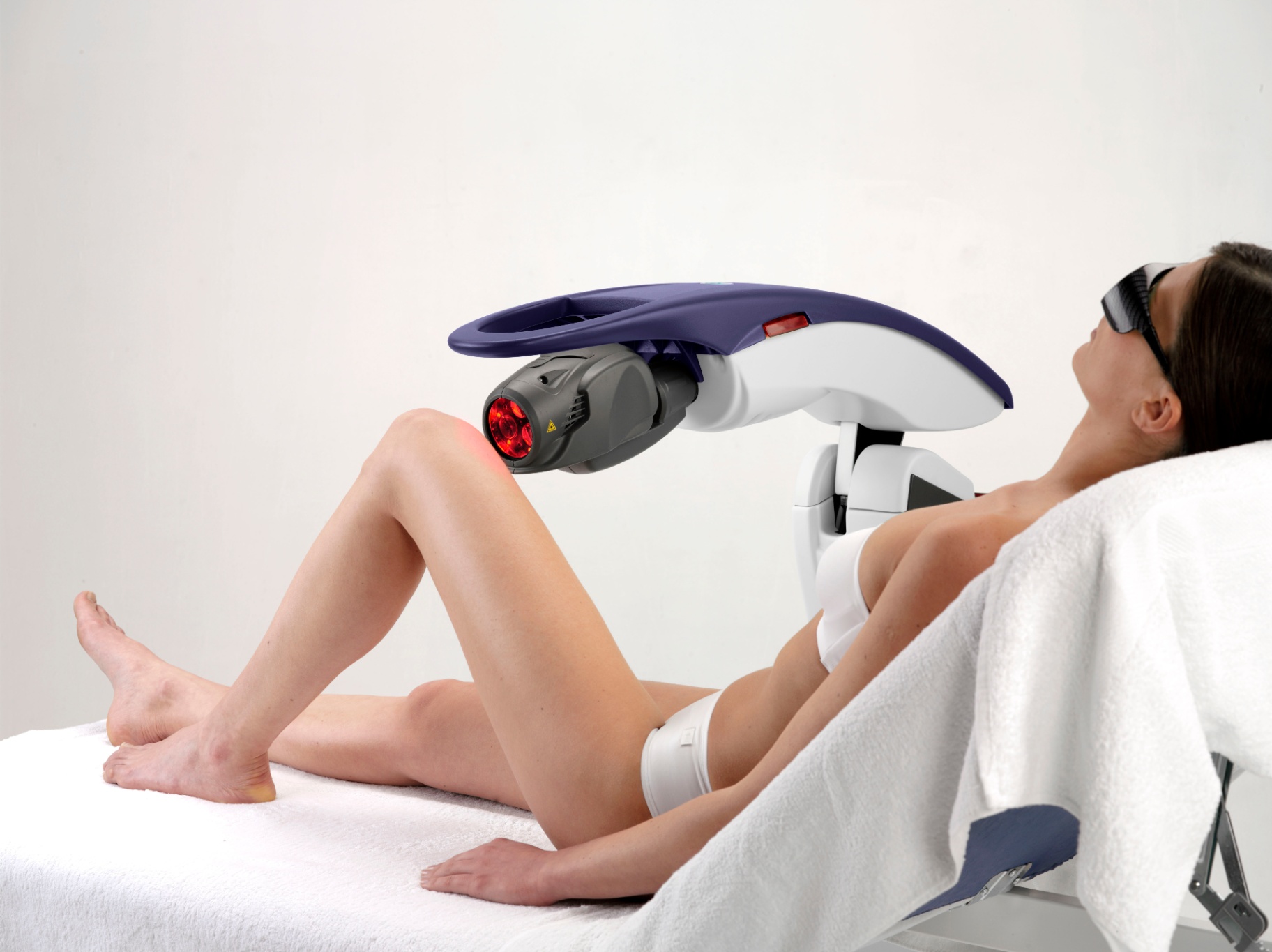
This is where advanced therapy comes into play. Our cutting-edge MLS Class 4 Robotic Laser represents a breakthrough in supporting the body's natural nerve healing process. Unlike traditional treatments that simply mask symptoms, this FDA-approved technology actually addresses the underlying factors that prevent nerve regeneration.
The MLS (Multi-wave Locked System) laser uses dual infrared wavelengths of 808 nm and 905 nm in a precisely synchronized pattern. This creates a process called photobiomodulation: essentially using light energy to stimulate cellular healing at the deepest level.
Here's how it works to support nerve regeneration:
Dramatically Increases Blood Flow
The laser energy causes blood vessels to dilate, increasing circulation to the treated area by up to 400%. This brings oxygen and nutrients directly to damaged nerve tissue while removing metabolic waste that can inhibit healing.
Reduces Inflammation
The specific wavelengths target inflammatory mediators, helping to create an environment where nerve regeneration can occur. Think of inflammation like trying to plant a garden in soil that's too acidic: until you change the conditions, nothing will grow properly.
Enhances Cellular Energy Production
The photobiomodulation process increases ATP (cellular energy) production in nerve cells. This gives them the energy needed to rebuild and extend nerve fibers. It's like giving your cells premium fuel instead of regular gas.
Accelerates Healing
Studies show that laser therapy can speed up the nerve regeneration process significantly. While nerves normally regrow at 1-2 mm per day, optimal conditions created by laser therapy can enhance this natural rate.
The Critical Role of Functional Medicine Nutritional Protocols
While advanced laser therapy creates optimal healing conditions, your nerves also need the right raw materials to rebuild themselves. This is where functional medicine nutritional protocols become essential.
Many neuropathy patients have underlying nutritional deficiencies that directly impair nerve function and regeneration. Through comprehensive testing, we identify and address these deficiencies with targeted nutritional support.
Key nutrients for nerve regeneration include:
- B-Complex Vitamins: Essential for nerve structure and function
- Alpha-Lipoic Acid: Powerful antioxidant that protects nerves and enhances healing
- Omega-3 Fatty Acids: Reduce inflammation and support nerve membrane health
- Vitamin D: Critical for nerve development and protection
- Magnesium: Supports nerve transmission and reduces excitability
But here's what most doctors don't tell you: simply taking these nutrients in generic, over-the-counter forms often isn't enough. The quality, dosage, and form of these nutrients matter tremendously for absorption and effectiveness.
What You Can Realistically Expect
Let's be honest about expectations. While the research on nerve regeneration is incredibly promising, and our patients regularly experience significant improvements, nerve healing takes time and doesn't happen for everyone.
What we consistently see in our clinic is that patients who combine MLS laser therapy with comprehensive nutritional protocols typically experience:
- Reduction in pain and burning sensations within the first few weeks
- Improved sensation and feeling returning to affected areas
- Better balance and stability
- Increased ability to walk distances without discomfort
- Improved sleep quality as pain decreases
The key is starting treatment before nerve damage becomes too severe. Nerves that have been completely destroyed cannot regenerate, but nerves that are damaged or "sick" often respond remarkably well to the right combination of therapies.
Why Traditional Medicine Falls Short
Here's what your doctor probably won't tell you: most traditional neuropathy treatments focus exclusively on symptom management rather than addressing the root causes that prevent nerve healing.
Medications like gabapentin, pregabalin, and others can provide temporary relief, but they do nothing to support nerve regeneration. In fact, some may actually interfere with the healing process by masking important signals your body uses to guide repair.
Physical therapy, while beneficial for maintaining function, doesn't address the cellular-level factors needed for nerve regeneration.
This is why we focus on treating the root cause rather than just covering up symptoms. By combining advanced laser therapy with functional medicine protocols, we're addressing nerve damage at the cellular level while providing the optimal environment and raw materials for healing.
The Window of Opportunity
Here's the critical point that every neuropathy patient needs to understand: there's a window of opportunity for nerve regeneration that doesn't stay open forever.
In the early stages of neuropathy, when nerves are damaged but not completely destroyed, the potential for regeneration is highest. As time passes and damage becomes more severe, the ability to regain function decreases.
This is why we emphasize the importance of acting quickly. Every day that passes with damaged nerves receiving inadequate support is a day that healing becomes more difficult.
Recent research from the University of South Carolina shows that damaged nerves can regenerate faster when the right conditions are present. An enzyme called Casein kinase 2-alpha (CK2α) drives the regeneration process, and researchers have found that increasing its levels speeds up nerve growth significantly.
Our combination of MLS laser therapy and nutritional protocols is specifically designed to optimize these natural healing processes in your body.
Your Next Step Toward Nerve Healing
If you're ready to move beyond simply managing symptoms and start addressing the root cause of your neuropathy, we're here to help. Our comprehensive approach has helped hundreds of patients experience significant improvements in their neuropathy symptoms and quality of life.
The combination of cutting-edge MLS Class 4 Robotic Laser therapy with functional medicine nutritional protocols represents the most advanced approach to supporting nerve regeneration available today.
Remember, nerve healing is possible, but it requires the right combination of therapies, proper timing, and a commitment to addressing the underlying factors that caused the damage in the first place.
Don't wait for your condition to worsen. The sooner you begin supporting your body's natural healing processes, the better your chances of experiencing significant improvement.
Take our Free Neuropathy Severity Assessment to Evaluate your Condition. Click here https://mark-e-dailey.mykajabi.com/neuropathy-quiz