
Dr Mark Dailey
Blog for Your Health
Can Damaged Nerves Really Heal? Here's What Birmingham's Neuropathy Specialists Want You to Know
Are you living with the burning, tingling, or numbness of peripheral neuropathy and wondering if your damaged nerves will ever truly heal? If you've been told "this is just something you'll have to live with," you're not alone. Millions of Americans feel like their own body is working against them, trapped in a cycle of pain that seems impossible to break.
Here's what I want you to know after three decades of treating neuropathy patients: damaged nerves absolutely can heal: but the real question isn't whether it's possible, it's whether you're getting the right approach to make it happen.
The Truth About Nerve Regeneration (What Most Doctors Won't Tell You)
Let's start with the science. Your peripheral nerves: unlike the nerves in your spinal cord: have a remarkable ability to regenerate and regrow after injury. This isn't wishful thinking; it's biological fact. When a nerve is damaged, the injured portions can extend new pathways and reconnect, essentially rebuilding the communication highway between your brain and the affected area.
But here's where it gets complicated: natural nerve regeneration happens at a glacial pace. We're talking about 1-2 millimeters per day at best. If you have nerve damage in your foot, you could be looking at months or even years for natural healing: time during which muscle atrophy and permanent damage can set in.
This is why so many patients get told there's "nothing more we can do." Traditional medicine often focuses on managing symptoms with medications rather than addressing the root cause: helping those damaged nerves actually heal.
Why Traditional Approaches Fall Short
Most pain management doctors rely on a predictable playbook: prescription medications, steroid injections, or invasive surgical procedures. While these approaches might temporarily mask symptoms, they rarely address the underlying nerve damage.
Medications like gabapentin or pregabalin can help manage pain, but they come with side effects and don't promote actual nerve healing. Surgical interventions, such as nerve grafts, show inconsistent results and often leave patients with incomplete functional recovery. Even when surgery "succeeds," the slow natural regeneration process means you're still facing a long, uncertain journey.
What's missing from these traditional approaches? The understanding that damaged nerves need specific conditions to heal optimally: increased blood flow, reduced inflammation, and cellular energy to fuel the regeneration process.
The Breakthrough: Advanced Regenerative Treatments
This is where modern neuropathy treatment gets exciting. Recent advances in regenerative medicine are revolutionizing how we approach nerve healing, and the results speak for themselves.
MLS Robotic Laser Therapy: Precision Healing at the Cellular Level
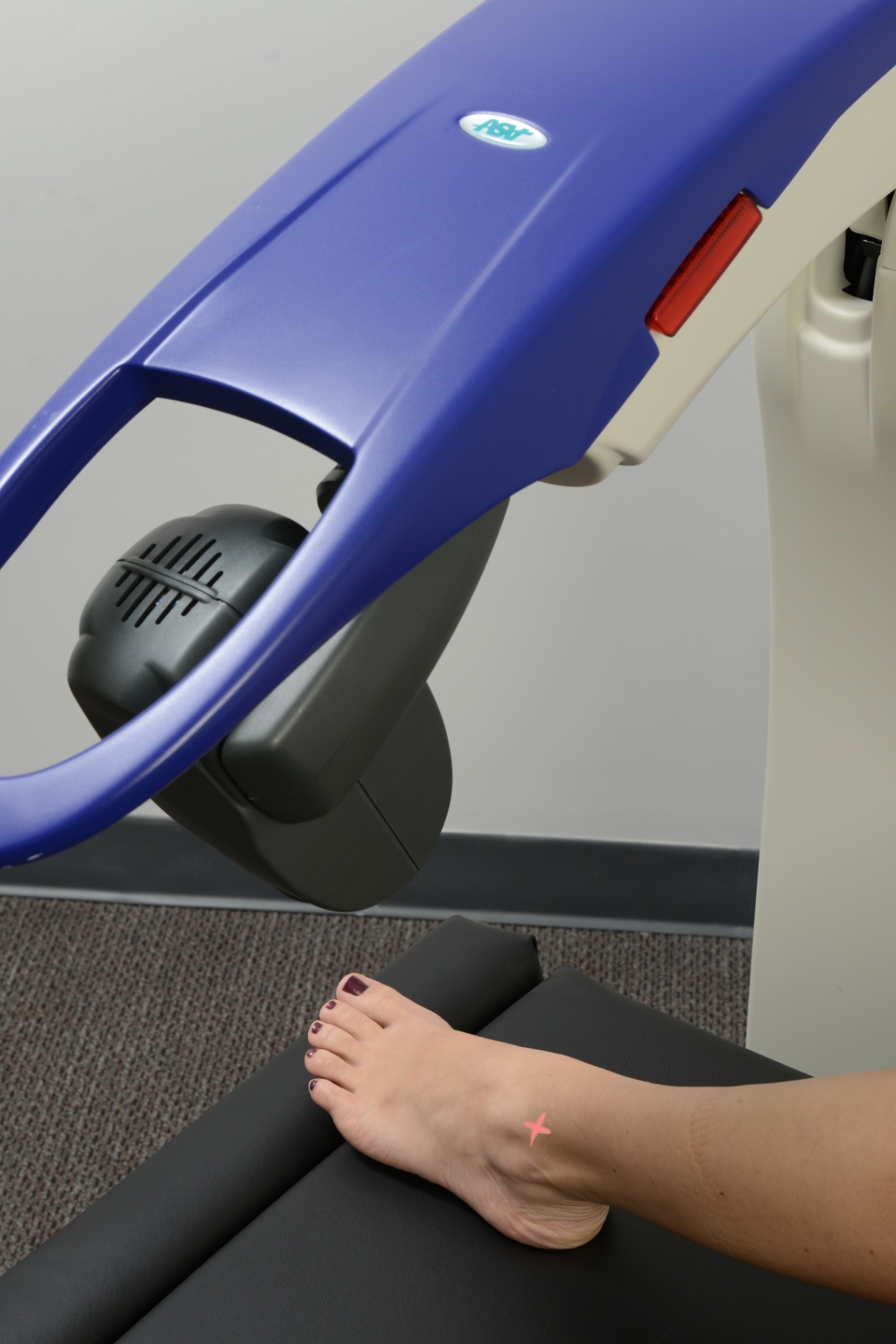
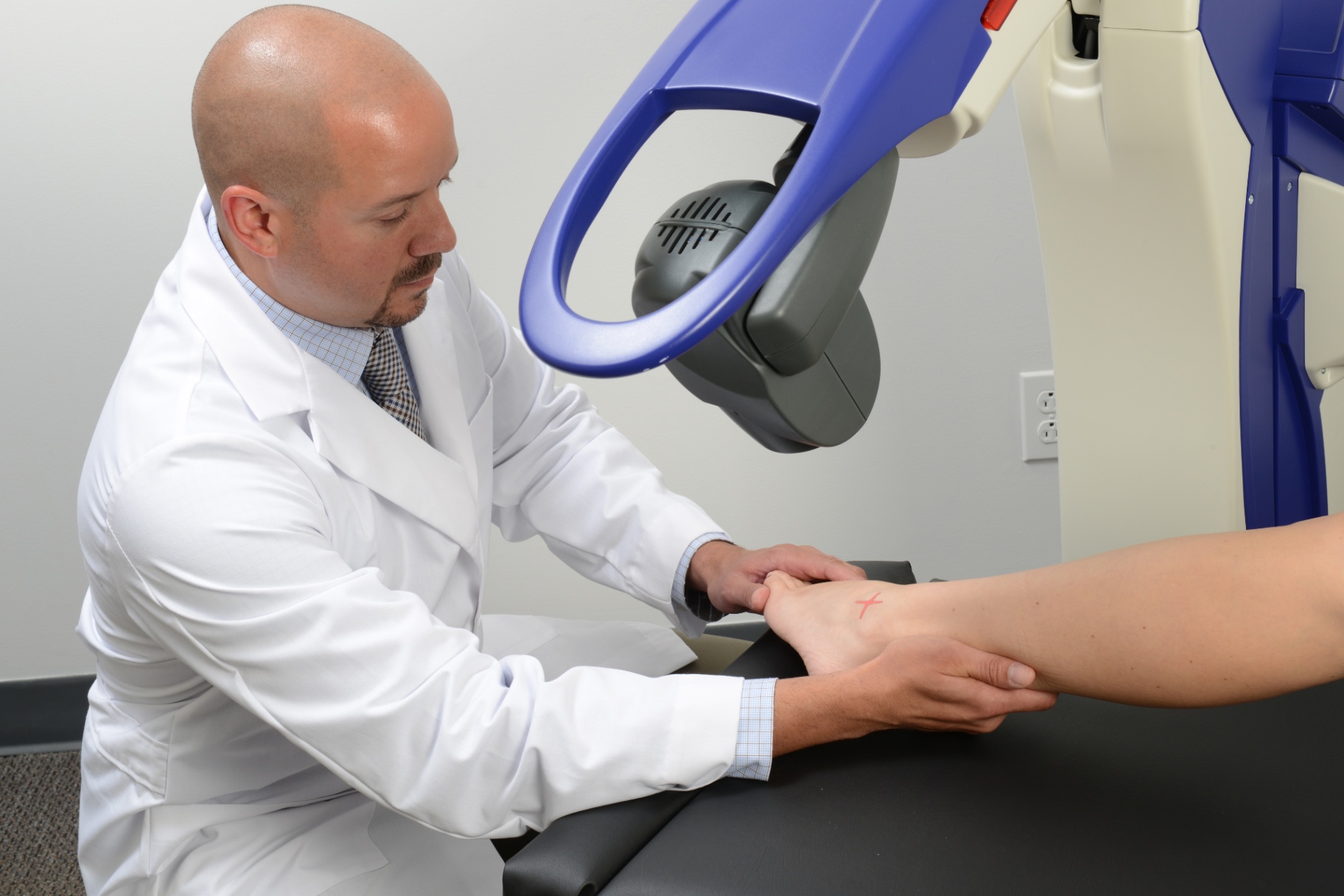
At Oneonta Neuropathy Center, we've seen remarkable results with MLS (Multiwave Locked System) Class 4 Robotic Laser Therapy. This isn't your typical laser pointer: it's FDA-approved technology that delivers dual infrared wavelengths (808 nm and 905 nm) with surgical precision.
Here's how it works: The laser energy penetrates deep into damaged tissue, triggering a process called photobiomodulation. Think of it like giving your cells a workout at the gym: the laser energy stimulates cellular metabolism, increases ATP (cellular energy) production, and accelerates the body's natural healing processes.
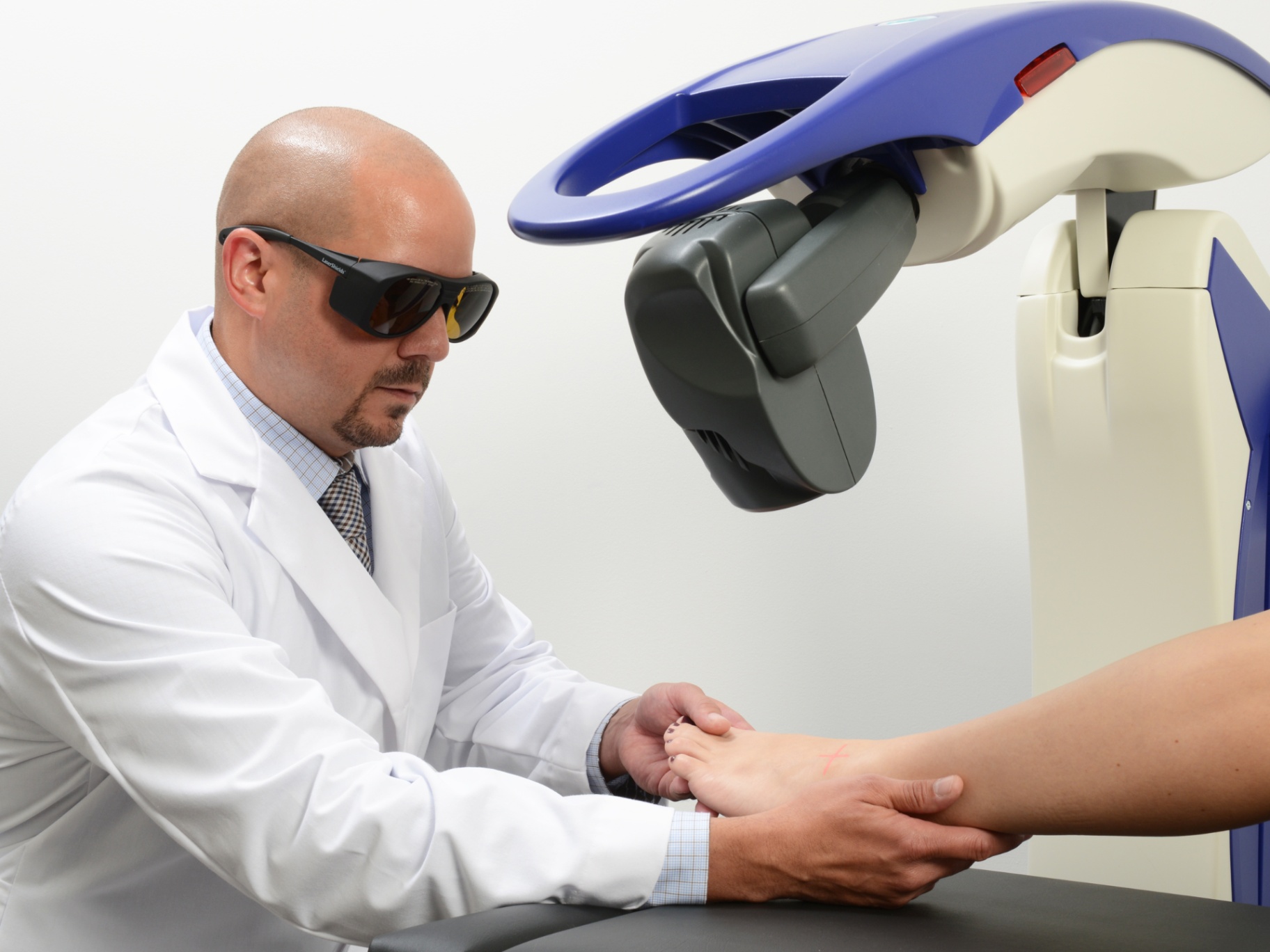
The benefits are multi-layered:
- Increased blood flow brings vital nutrients and oxygen to damaged nerves
- Reduced inflammation removes barriers to healing
- Pain relief without medications or side effects
- Accelerated tissue regeneration speeds up the natural healing timeline
- Precision robotics ensures consistent, targeted treatment every session
What makes this approach so effective is that it addresses the root cause of neuropathy symptoms: the damaged nerves themselves: rather than just masking the pain.
Emerging Research: The Science Gets Even Better
Recent studies have identified fascinating mechanisms that control nerve regeneration speed. Researchers discovered that damaged nerves heal faster when specific protein clusters called "stress granules" break apart at the injury site. This happens through protein phosphorylation, where enzymes modify proteins to accelerate nerve growth.
While this research is still evolving, it validates what we've observed clinically: when you create the right cellular environment, nerves don't just heal: they heal faster and more completely than anyone thought possible.
Dr. Dailey's 30 Years of Experience: What Really Works
In my three decades of treating neuropathy patients, I've learned that nerve healing isn't just about the right technology: it's about the right approach. Every patient who walks into our center gets a comprehensive evaluation because no two cases of peripheral neuropathy are identical.
I've seen patients who were told they'd never walk normally again regain full function. I've watched people throw away their pain medications after years of dependency. But I've also learned to be honest about expectations and timelines.
The patients who see the most dramatic results are those who start treatment before permanent damage sets in. That's why I always tell people: neuropathy is progressive. The numbness and tingling you feel today will likely be worse six months from now without proper intervention.
But even patients with advanced neuropathy can see significant improvement. The key is creating optimal conditions for healing through multiple approaches:
- Advanced laser therapy to stimulate cellular regeneration
- Nutritional support to fuel nerve healing
- Circulation enhancement to deliver healing compounds
- Inflammation reduction to remove healing barriers
Separating Hope from Hype: Realistic Expectations
Let me be completely honest with you: nerve healing takes time, and results vary from person to person. While our MLS Robotic Laser Therapy shows remarkable success rates, it's not magic. Some patients notice improvement within weeks, while others need several months of consistent treatment.
What I can tell you is this: in 30 years of practice, I've never seen an approach that addresses nerve healing as comprehensively as what we're doing now. The combination of advanced technology, proven protocols, and individualized care gives patients the best possible chance at real recovery.
The worst thing you can do is nothing. Neuropathy rarely improves on its own, and the longer you wait, the more challenging recovery becomes.
Your Next Steps: Don't Wait for Tomorrow
If you're living with foot pain, burning, tingling, or numbness, you deserve to know if your nerves can heal. Every day you delay treatment is another day of potential progression and missed opportunity for recovery.
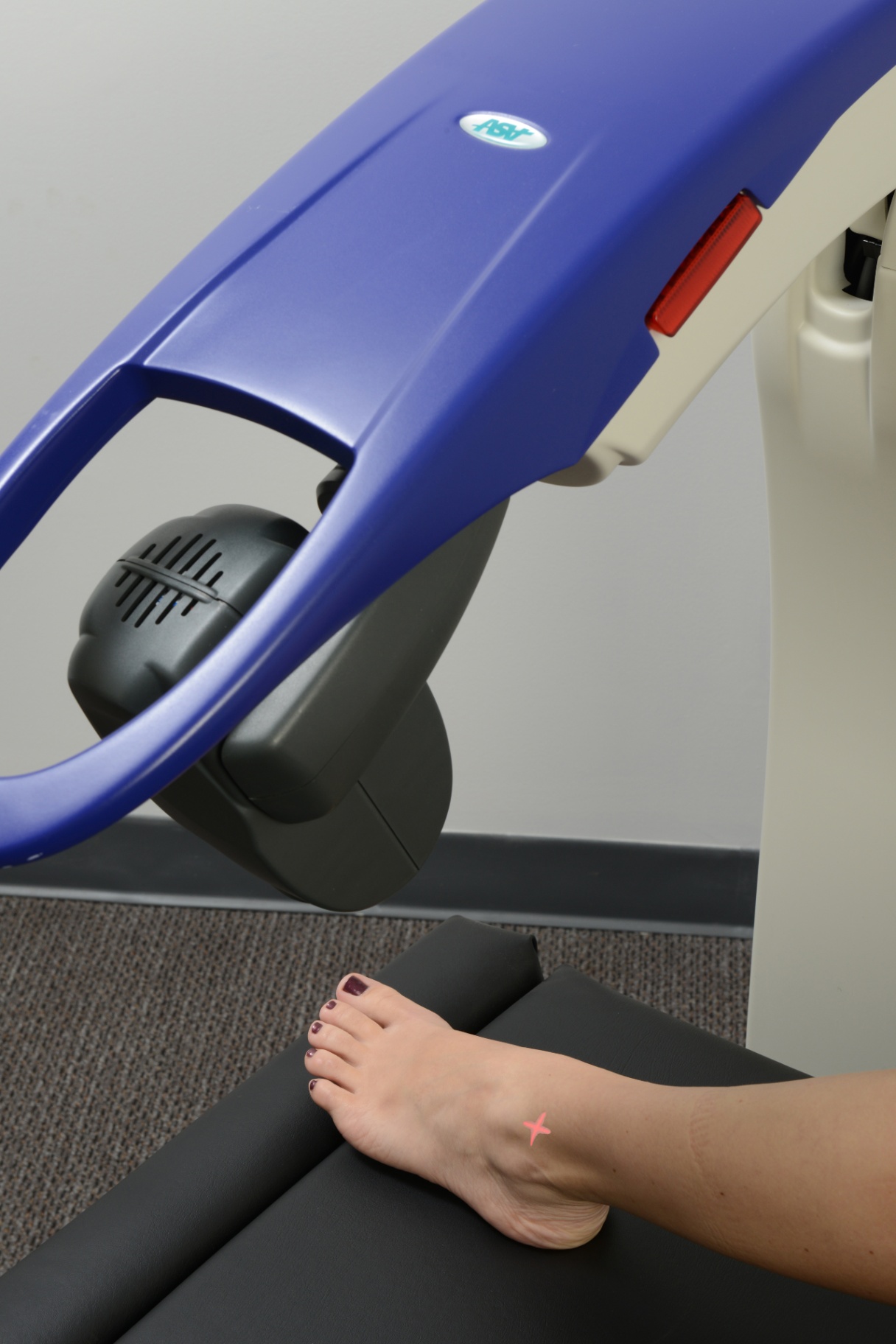
We excel at creating individualized treatment plans that address your specific type of neuropathy. Whether you're dealing with diabetic neuropathy, chemotherapy-induced nerve damage, or idiopathic peripheral neuropathy, we have protocols that can help.
The process is straightforward: no pain, no lengthy preparation, and treatment sessions that fit into your busy schedule. Most patients find the experience surprisingly relaxing: many even fall asleep during their laser therapy sessions.
Take Action Today
Your nerves can heal, but they need the right environment and support to do it effectively. Don't let another day pass wondering "what if?"
Call Rachel today at 205-346-4726 to schedule your comprehensive neuropathy evaluation. During this consultation, we'll assess your specific condition, explain exactly how your nerves can heal, and create a personalized treatment plan designed for your situation.
You've lived with the pain long enough. It's time to discover what real nerve healing looks like.
Remember: peripheral neuropathy may have changed your life, but it doesn't have to define it. With the right approach, many of our patients return to activities they thought they'd lost forever. You could be next.
Call Rachel at 205-346-4726 today. Your healing journey starts with a single phone call.