
Dr Mark Dailey
Blog for Your Health
7 Mistakes You're Making with Back Pain Relief (and How Spinal Decompression Therapy Fixes Them)
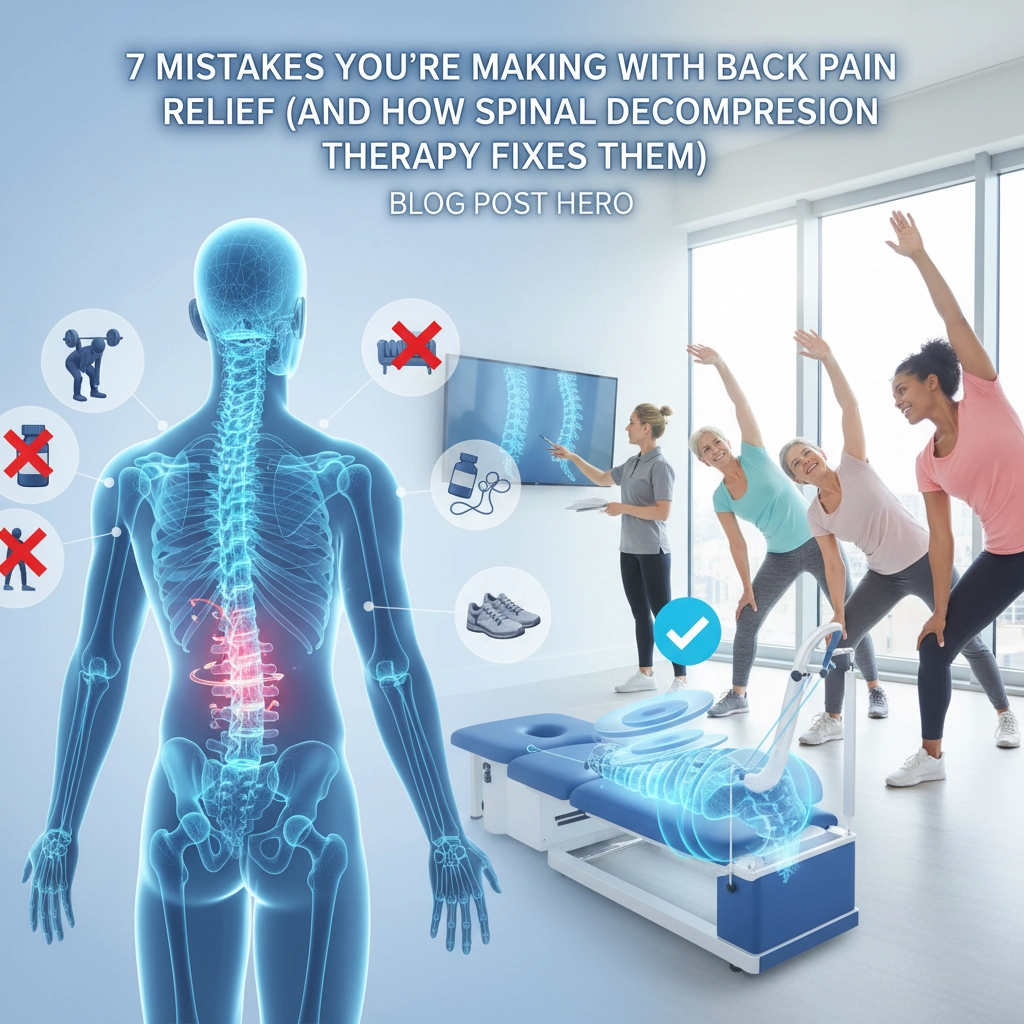
If you're dealing with back pain, you're definitely not alone. But here's the thing – most people unknowingly make mistakes that actually make their back pain worse or drag out their recovery time. After years of helping patients in Oneonta find real relief, I've seen these same mistakes over and over again.
The good news? Once you know what these mistakes are, you can avoid them and get on the fast track to feeling better. Even better, modern treatments like spinal decompression therapy can help fix the damage these mistakes might have already caused.
Let's dive into the seven biggest mistakes people make with back pain relief – and how to get it right.
Mistake #1: Reaching for the Heating Pad Right Away
I get it – when your back is screaming at you, a heating pad feels like your best friend. But if you just injured your back, heat is actually making things worse. Heat increases blood flow to the injured area, which sounds good in theory, but it actually increases inflammation and can make your pain more intense.
What to do instead: For the first 48-72 hours after a new injury, ice is your friend. Wrap it in a towel (never put ice directly on your skin) and apply it for 15-20 minutes at a time. Once the acute inflammation settles down, then you can switch to heat therapy.
This is where spinal decompression therapy shines – it doesn't rely on heat or cold, but instead uses gentle traction to create space between your vertebrae, allowing injured discs to heal naturally without the guesswork of when to use ice versus heat.
Mistake #2: Popping Pills Like They're Candy
Look, I'm not anti-medication, but I've seen too many patients get stuck in the pain pill cycle. Taking more than the recommended dose of even over-the-counter pain relievers can be dangerous – we're talking potential liver damage from too much acetaminophen, or stomach problems from too much ibuprofen.
Plus, your body gets used to the medication, so you need more and more to get the same relief. That's not solving the problem; that's just masking it.
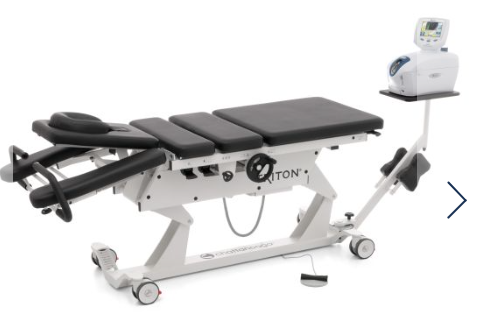
The better approach: Address the root cause of your pain. At our clinic, we use spinal decompression therapy to actually fix what's causing your pain – whether it's a herniated disc, pinched nerve, or compressed vertebrae. When you fix the problem instead of just covering it up, you need less medication, not more.
Mistake #3: Going All-Out When You Feel Good
This one breaks my heart because I see it so often. You have a good day where your back feels decent, so you decide to tackle that home improvement project or lift those heavy boxes you've been putting off. Next thing you know, you're back to square one – or worse.
Smart recovery: Consistent, gentle progress beats sporadic bursts of activity every time. This is where our comprehensive approach really helps. We don't just treat your back; we teach you how to gradually return to normal activities without re-injuring yourself.
Spinal decompression therapy helps by consistently creating the optimal healing environment for your spine, so you don't have those dramatic ups and downs that tempt you to overdo it on good days.
Mistake #4: Turning Into a Couch Potato
On the flip side, some people think complete rest is the answer. They park themselves on the couch for weeks, thinking they're helping their back heal. But here's what actually happens: your muscles get weak, your joints get stiff, and your pain gets worse.
The movement solution: Gentle, appropriate movement is crucial for healing. Your spine needs blood flow and gentle motion to heal properly. That doesn't mean you should power through pain, but it does mean complete immobility isn't the answer.
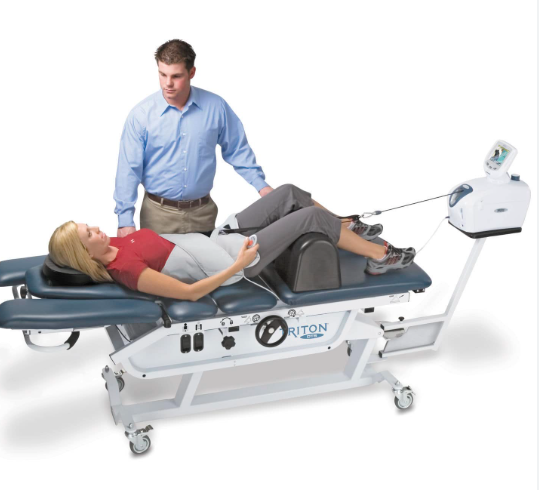
During spinal decompression therapy, your spine gets gentle, controlled movement that promotes healing without stress. We combine this with specific exercises and stretches that keep you mobile while you heal.
Mistake #5: Playing the Waiting Game Too Long
"I'll give it another week and see if it gets better on its own." Sound familiar? While some minor back pain does resolve on its own, waiting too long to get help can turn a small problem into a big one.
The sooner you address back pain properly, the faster and more complete your recovery will be. Conditions like herniated discs, pinched nerves, and spinal misalignments respond much better to early intervention.
Early intervention advantage: Our spinal decompression therapy works best when we catch problems early. The longer you wait, the more compensation patterns your body develops, making recovery more complex.
Mistake #6: Thinking Your Family Doctor Has All the Answers
Your family doctor is great for a lot of things, but spine-specific problems often need spine-specific expertise. Most primary care doctors default to prescribing pain medication and rest – which, as we've discussed, often aren't the best solutions.
Specialized care matters: At Oneonta Spine & Laser, we focus specifically on spine and musculoskeletal problems. We have advanced diagnostic tools and treatment options that most general practitioners simply don't have access to.
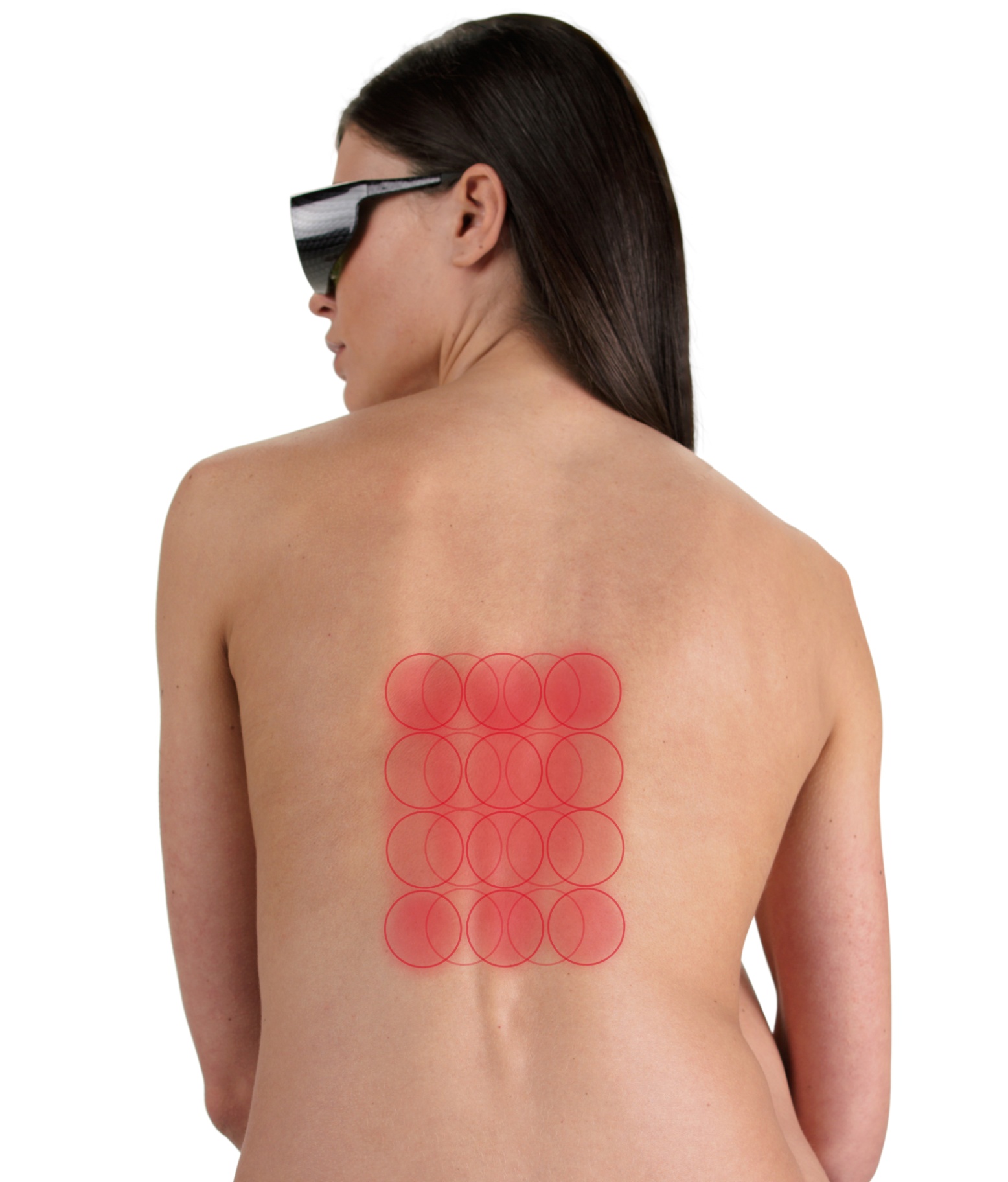
Our combination of spinal decompression therapy, Class IV laser therapy, and functional medicine gives us multiple ways to address your specific problem. We don't just treat symptoms; we find and fix the underlying cause.
Mistake #7: Ignoring Your Core and Posture
Your back doesn't exist in isolation. Weak core muscles, poor posture, and bad movement patterns all contribute to back pain. You can treat the immediate problem, but if you don't address these underlying issues, you'll keep having the same problems over and over.
The whole-body approach: This is where our holistic approach really makes a difference. While spinal decompression therapy addresses the immediate structural problem, we also work with you on strengthening exercises, posture correction, and movement patterns that prevent future problems.
We even incorporate functional medicine principles to address factors like inflammation and nutrition that can affect your recovery.
How Spinal Decompression Therapy Fixes These Mistakes
Here's what makes spinal decompression therapy different from the typical "try this and hope it works" approach:
It's precise: Instead of guessing what will help, spinal decompression therapy uses computerized controls to apply exactly the right amount of gentle traction to your spine. No guesswork involved.
It addresses the root cause: Whether you have a herniated disc, pinched nerve, or compressed vertebrae, decompression therapy creates the optimal environment for your spine to heal naturally.
It works with your body: Rather than fighting against your body's natural healing processes (like some medications do), decompression therapy enhances them.
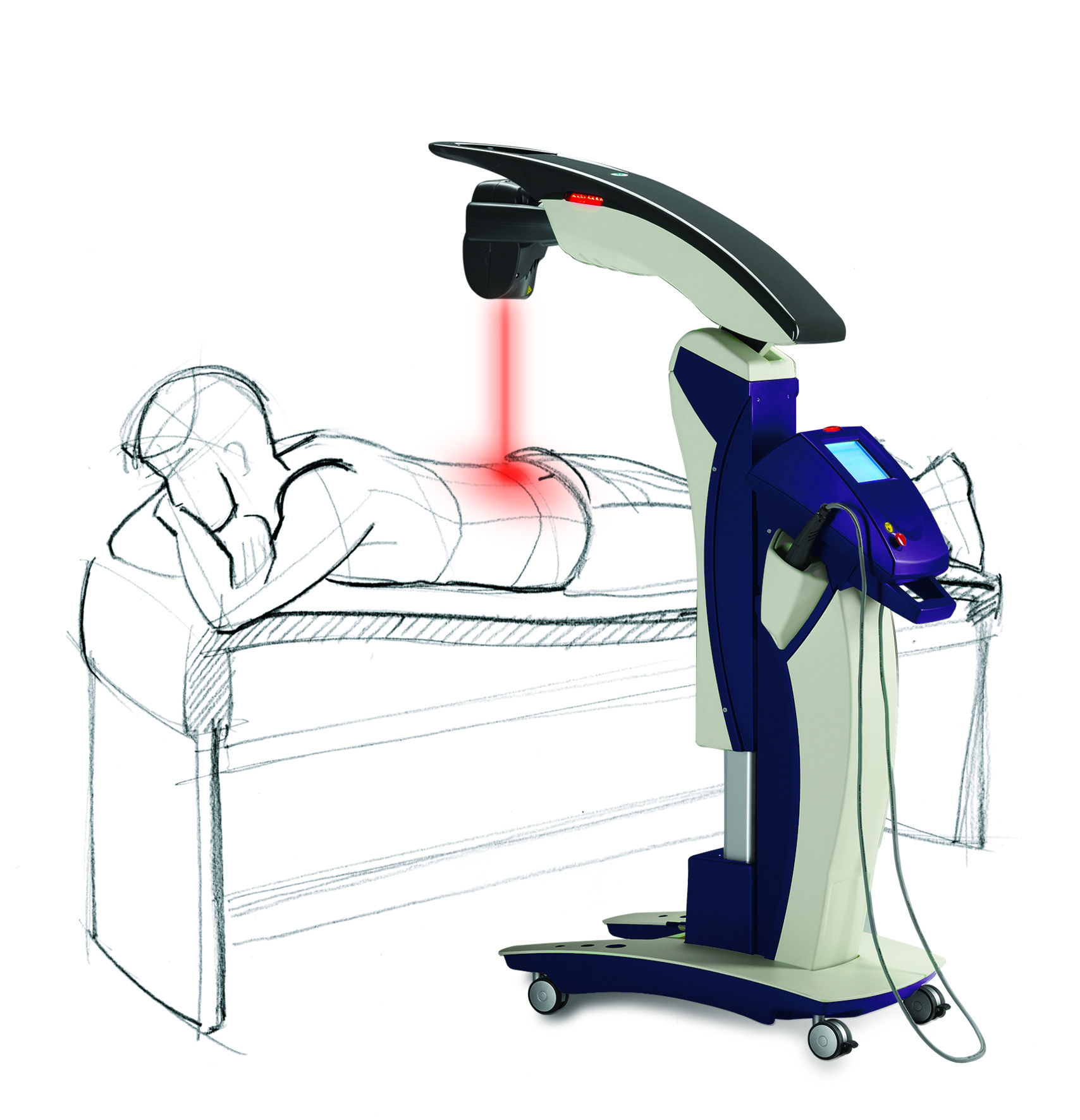
Proven results: Studies show that combining spinal decompression with other therapies (like our Class IV laser therapy) gives about 75% of patients significant relief, compared to just 50% who use only one treatment approach.
Your Path Forward
If you recognize yourself in any of these mistakes, don't worry – you're not alone, and it's not too late to change course. The key is getting the right help from professionals who understand how all the pieces fit together.
At Oneonta Spine & Laser, we don't just treat your back pain; we help you understand what caused it and how to prevent it from coming back. Our combination of advanced spinal decompression therapy, Class IV laser treatment, and comprehensive rehabilitation gives you the best chance at lasting relief.
Don't let another day go by making these common mistakes with your back pain. You deserve to feel better, and we're here to help make that happen.
Ready to stop making these mistakes and start your recovery? Call us at (607) 353-2111 to schedule your consultation. Let's work together to get you back to the activities you love, without the pain holding you back.